


Table of Contents
When you're considering acquiring a company or investing in a new technology, it's easy to get swept up in the excitement of potential growth and innovation. However, beneath the surface of any tech-based business lies a hidden risk that can make or break your investment: technical debt. Just like financial debt, technical debt accumulates over time and can lead to significant challenges down the road if left unchecked. In this article, we'll dive deep into the world of technical debt assessment, exploring the key strategies and best practices you need to uncover and mitigate these risks during the due diligence process.
Understanding Technical Debt

Before we jump into the assessment process, let's define technical debt. In simple terms, technical debt is the cost of maintaining, upgrading, or replacing technology implemented with suboptimal or outdated approaches. This debt can manifest in various forms, such as:
- Code-level debt: Poorly written, inefficient, or hardcoded solutions that are difficult to maintain and scale.
- Architecture-level debt: Monolithic, tightly coupled systems that are challenging to modify and adapt to new requirements.
- Infrastructure-level debt: Outdated, unreliable, or poorly configured hardware and software components that hinder performance and reliability.
Technical debt can arise due to a variety of factors, such as time pressures, lack of expertise, or shifting business priorities. Regardless of the cause, the impact of technical debt on business outcomes can be significant. It can slow down development cycles, increase maintenance costs, and hinder the ability to innovate and respond to market changes.
Preparing for Technical Debt Assessment
To effectively assess technical debt during due diligence, it's crucial to assemble a cross-functional team with the right expertise and perspectives. This team should include:
Technical experts who can evaluate the codebase, architecture, and infrastructure
Business analysts who can assess the impact of technical debt on business goals and processes
Legal and financial professionals who can evaluate the potential risks and liabilities associated with the debt
Once you have your team in place, the next step is to define the scope and objectives of the assessment. This involves identifying the key areas of the technology stack that will be evaluated, as well as the specific metrics and criteria that will be used to measure technical debt. Some common objectives might include:
Identifying critical areas of technical debt that pose the greatest risk to the business
Estimating the cost and effort required to address the debt
Developing a prioritized roadmap for debt remediation
Assessing the potential impact of the debt on future growth and innovation
To support the assessment process, it's essential to gather all relevant documentation and resources, such as:
Source code repositories
System architecture diagrams
Infrastructure configuration files
Technical documentation and user manuals
Bug reports and support tickets
Conducting the Technical Debt Assessment
With your team and resources in place, it's time to dive into the actual assessment process. This typically involves a combination of code review, architecture analysis, infrastructure evaluation, and stakeholder interviews.
Code Review and Analysis
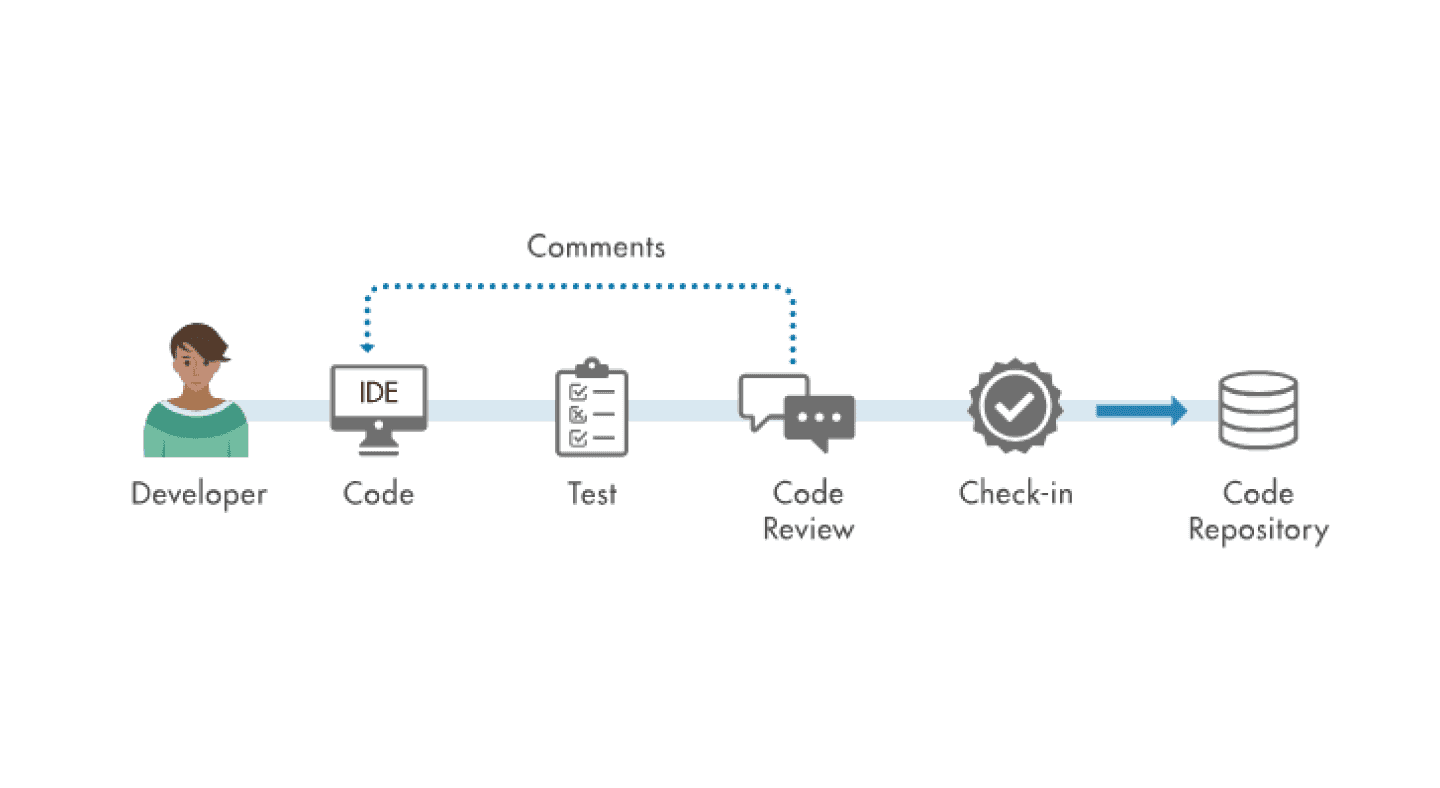
A thorough code review is essential to identify code-level technical debt. This involves using a combination of manual and automated techniques to evaluate the quality, maintainability, and scalability of the codebase. Some key areas to focus on include:
Code complexity and readability
Duplication and redundancy
Hardcoded values and magic numbers
Lack of modularity and separation of concerns
Inadequate testing and documentation
To streamline the code review process, consider using static code analysis tools that can automatically detect common code smells and anti-patterns. These tools can help identify areas of the codebase that are most in need of refactoring and improvement.
"Code quality metrics such as cyclomatic complexity, duplication, and maintainability index can provide valuable insights into the level of technical debt in a codebase. By tracking these metrics over time, teams can quantify the impact of their debt reduction efforts and make more informed decisions about where to focus their resources." - Lemi Orhan Ergin author of "Cracking the Tech Debt Code"Architecture Review
In addition to the code-level analysis, it's crucial to evaluate the overall system architecture to identify potential bottlenecks, single points of failure, and scalability challenges. This involves reviewing the high-level design of the system, as well as the interactions between different components and services.
Some key areas to focus on during the architecture review include:
Modularity and separation of concerns
Scalability and performance
Fault tolerance and resilience
Security and compliance
Integration and interoperability
Infrastructure Review
The infrastructure that supports the technology stack is another critical area to assess for technical debt. This involves evaluating the reliability, performance, and scalability of the hardware and software components that make up the infrastructure.
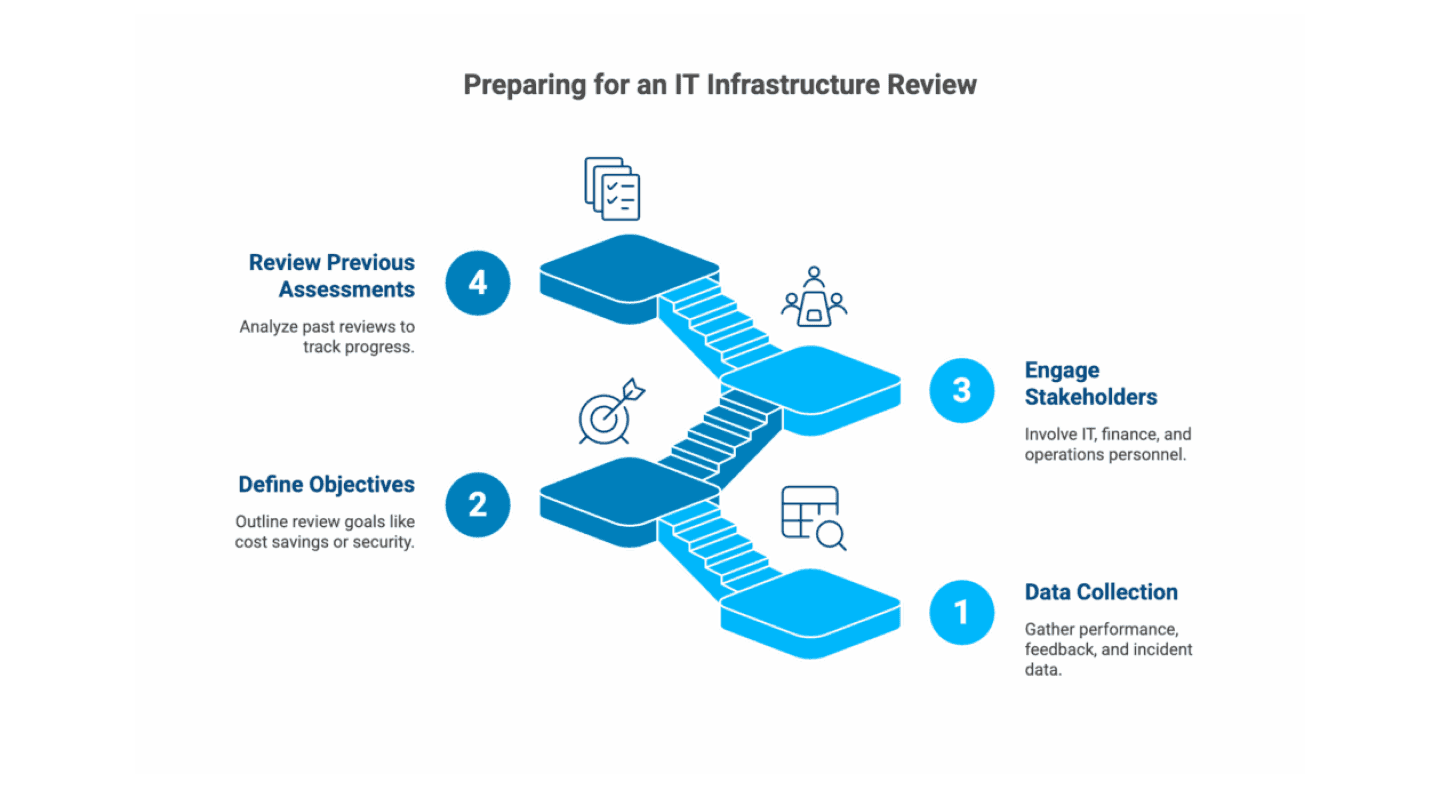
Some key areas to focus on during the infrastructure review include:
Server and network configuration
Database design and optimization
Backup and disaster recovery processes
Monitoring and alerting systems
Capacity planning and resource allocation
Interviews with Key Technical Stakeholders
To gain a comprehensive understanding of the technical debt landscape, it's essential to conduct interviews with key technical stakeholders, such as developers, architects, and operations personnel. These interviews can provide valuable insights into the history and context of the technical debt, as well as the challenges and constraints that have contributed to its accumulation.
Some key questions to ask during these interviews might include:
What are the most significant areas of technical debt in the system?
What are the root causes of the debt, and how has it evolved over time?
What efforts have been made to address the debt in the past, and what were the outcomes?
What are the potential risks and impacts of the debt on the business, and how can they be mitigated?
Estimating the Impact and Cost of Technical Debt
Once you have a comprehensive understanding of the technical debt landscape, the next step is to estimate its potential impact and cost. This involves quantifying the risk and effort associated with each area of debt, as well as prioritizing the debt based on its criticality and urgency.
To estimate the impact of technical debt, consider factors such as:
The frequency and severity of issues related to the debt
The potential for the debt to cause system failures or outages
The impact of the debt on development velocity and time-to-market
The risk of the debt introducing security vulnerabilities or compliance issues
"Not all technical debt is created equal. When prioritizing debt items, it's important to consider the business impact of each item, not just the technical complexity. Focus on the debt that is most likely to cause customer-facing issues, hinder innovation, or increase operational costs." - Erik Dietrich, author of "Technical Debt in Practice"To estimate the cost of addressing the debt, consider factors such as:
The effort required to refactor or replace the affected components
The opportunity cost of diverting resources from other priorities
The potential for the debt to cause delays or overruns in future projects
The cost of any additional tools, training, or expertise required to address the debt
Prioritizing and Addressing Technical Debt
With a clear understanding of the impact and cost of the technical debt, the next step is to develop a prioritized backlog of debt items and a roadmap for remediation. This involves balancing the cost and risk of each debt item against the potential benefits of addressing it, as well as considering the dependencies and constraints that may influence the remediation timeline.
Some key strategies for prioritizing and addressing technical debt include:
Focusing on the highest-risk and highest-impact debt items first
Breaking down large, complex debt items into smaller, more manageable chunks
Leveraging automated tools and processes to streamline debt remediation
Implementing agile and iterative approaches to debt reduction
Communicating regularly with stakeholders to manage expectations and maintain alignment
It's important to note that technical debt remediation is not a one-time effort, but rather an ongoing process that requires continuous monitoring, measurement, and optimization. As such, it's crucial to integrate technical debt management into the post-acquisition plan, and to establish clear ownership and accountability for debt reduction efforts.
"Addressing technical debt is not a one-time effort, but rather a continuous process of improvement. Foster a culture where everyone is empowered to identify and address debt, and where learning and experimentation are encouraged. This will help ensure that your technology stack remains healthy and adaptable over time." - Kimber Lockhart, CTO at One MedicalLeveraging Tools and Best Practices
To support the technical debt assessment and remediation process, there are a variety of tools and best practices that can help streamline and accelerate your efforts. Some key areas to consider include:
Static Code Analysis Tools
Static code analysis tools can automatically scan the codebase to identify potential issues and areas for improvement. These tools can help surface code smells, security vulnerabilities, and performance bottlenecks, as well as provide guidance on best practices for code quality and maintainability.
Automated Testing and Continuous Integration
Automated testing and continuous integration (CI) practices can help catch technical debt issues early in the development process, before they have a chance to accumulate and cause downstream problems. By automating testing and builds, teams can quickly identify and address issues, as well as ensure that new code changes don't introduce new debt.
Refactoring and Code Modernization Techniques
Refactoring and code modernization techniques can help teams systematically improve the quality and maintainability of the codebase over time. These techniques involve restructuring and simplifying code without changing its external behavior, as well as updating outdated libraries, frameworks, and tools.
Agile and DevOps Methodologies
Agile and DevOps methodologies can help teams manage technical debt more effectively by promoting collaboration, feedback, and continuous improvement. By breaking down work into smaller, more manageable chunks, and by automating key processes such as testing and deployment, teams can reduce the risk and impact of technical debt, as well as improve overall efficiency and quality.
Conclusion
Assessing technical debt during due diligence is a critical step in evaluating the long-term viability and potential of a technology investment. By taking a comprehensive, systematic approach to debt assessment, and by leveraging the right tools and best practices, investors and acquirers can uncover hidden risks and opportunities, and make more informed decisions about their technology investments.
But the benefits of technical debt assessment go beyond just the due diligence process. By proactively identifying and managing technical debt, companies can improve the overall health and sustainability of their technology stack, reduce maintenance costs and risk, and free up resources for innovation and growth.
"When evaluating the cost of technical debt, it's important to consider not just the immediate effort required to address it, but also the long-term cost of leaving it unaddressed. Technical debt can compound over time, leading to increased maintenance costs, reduced agility, and even reputational damage." - Stacey Mulcahy, former CTO of Pivotal SoftwareSo if you're considering a technology acquisition or investment, don't let technical debt catch you by surprise. By incorporating technical debt assessment into your due diligence process, and by committing to ongoing debt management and reduction, you can position your technology investments for long-term success and value creation.
Ready to master technical due diligence for your next acquisition? Reach out to Patrick (Patrick@akava.io) to learn how our experts can guide you through the process, surface key risks and opportunities, and align technology with your investment goals. Let's work together to ensure a successful tech acquisition.