

Table of Contents
- Scalability Issues and Performance Bottlenecks
- Technical Debt, Code Quality, and Maintainability Concerns
- Cybersecurity Vulnerabilities and Data Privacy Risks
- Unrealistic Technology Roadmaps and Innovation Overstatements
- Skill Gaps, Key Person Dependencies, and Talent Retention Risks
- Lack of Documentation, Knowledge Transfer, and Continuity Planning
- Conclusion
In the fast-paced world of mergers and acquisitions (M&A), tech due diligence plays a critical role in determining the success of a deal. Failing to identify and address red flags during the due diligence process can lead to costly mistakes, integration challenges, and diminished value realization. In this article, we'll explore the top red flags to watch out for when conducting tech due diligence, helping you navigate the complexities and mitigate potential risks.
Scalability Issues and Performance Bottlenecks
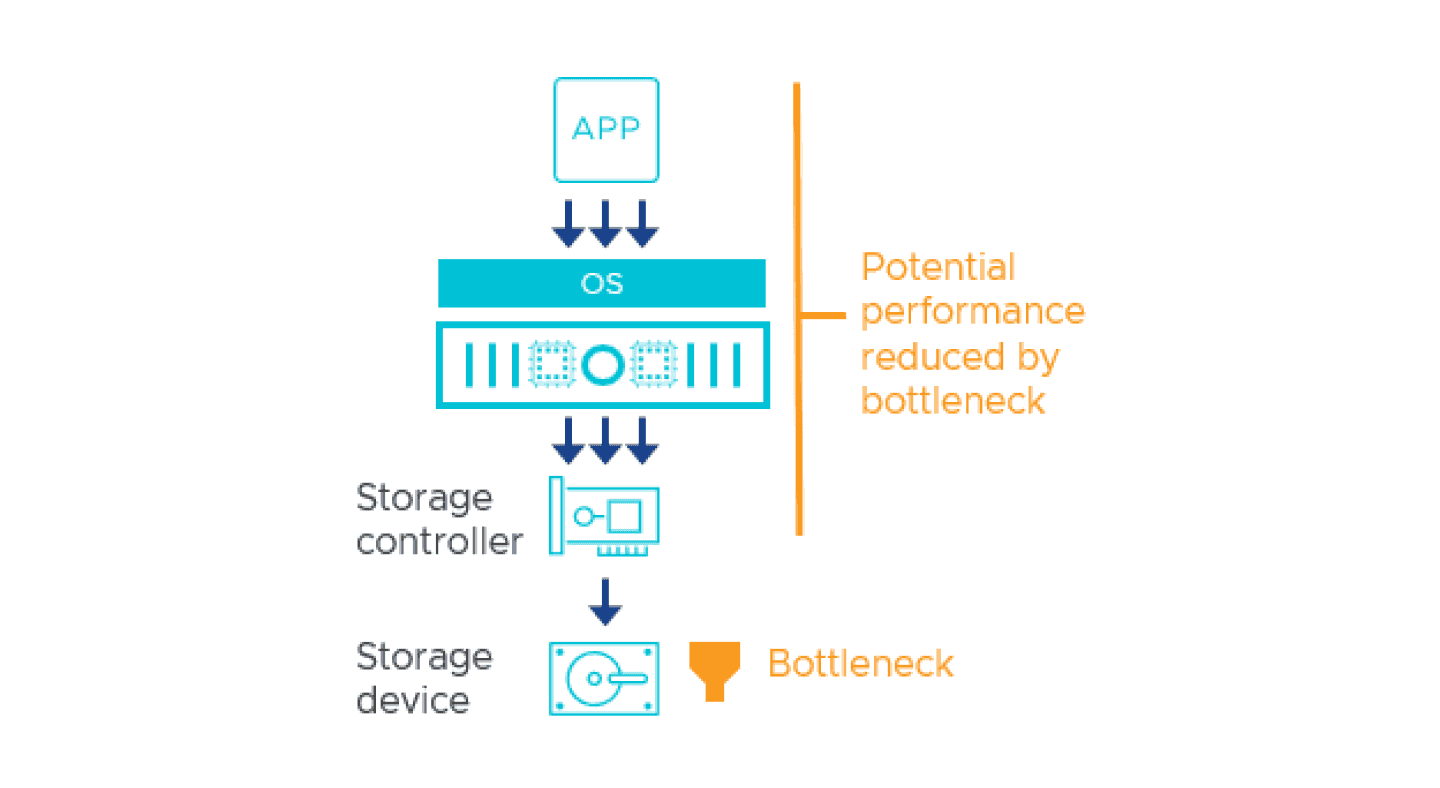
One of the primary red flags in tech due diligence is the lack of scalability in the target company's technology stack. Scalability limitations can severely hinder growth potential and lead to performance bottlenecks as the business expands. When evaluating a target company, assess the following:
Architecture scalability: Look for signs of monolithic architecture, tightly coupled components, and lack of modularity, which can hamper scalability.
Infrastructure limitations: Identify potential bottlenecks in the infrastructure, such as inadequate server capacity, limited bandwidth, or lack of cloud adoption.
Database scalability: Evaluate the database architecture and query optimization practices to ensure they can handle increased data volume and complexity.
Failing to address scalability issues can result in poor user experience, reduced customer satisfaction, and missed growth opportunities. Ensure that the target company has a scalable foundation and a clear roadmap for addressing performance bottlenecks.
Pro-Tip: When assessing scalability, it's crucial to consider not only the current workload but also the projected growth. Ensure that the architecture and infrastructure can accommodate future expansion without significant redesign or investment.Technical Debt, Code Quality, and Maintainability Concerns
Technical debt, poor code quality, and maintainability issues are significant red flags that can have long-term implications for the acquiring company. Assess the following aspects during tech due diligence:
Code quality: Conduct code reviews to identify issues such as duplicated code, lack of modularity, and poor coding practices that can hinder maintainability.
Technical debt: Evaluate the level of technical debt, including outdated libraries, deprecated frameworks, and legacy systems that may require significant refactoring efforts.
Maintainability: Assess the codebase's documentation, test coverage, and overall maintainability to ensure long-term sustainability and ease of future enhancements.
Inheriting a codebase with high technical debt and poor maintainability can lead to increased development costs, slower time-to-market, and reduced agility. Ensure that the target company has a plan for addressing technical debt and continually improving code quality.
"Measuring programming progress by lines of code is like measuring aircraft building progress by weight." - Bill Gates, Co-Founder of MicrosoftCybersecurity Vulnerabilities and Data Privacy Risks
Cybersecurity and data privacy risks are critical red flags that can expose the acquiring company to legal liabilities, reputational damage, and financial losses. During tech due diligence, focus on the following areas:
Security vulnerabilities: Conduct thorough security assessments to identify potential vulnerabilities, such as unpatched systems, weak access controls, and insufficient encryption.
Data privacy compliance: Evaluate the target company's compliance with relevant data privacy regulations (e.g., GDPR, CCPA) and assess the adequacy of their data protection measures.
Incident response and disaster recovery: Assess the robustness of the target company's incident response plan and disaster recovery procedures to ensure business continuity and minimize the impact of security breaches.
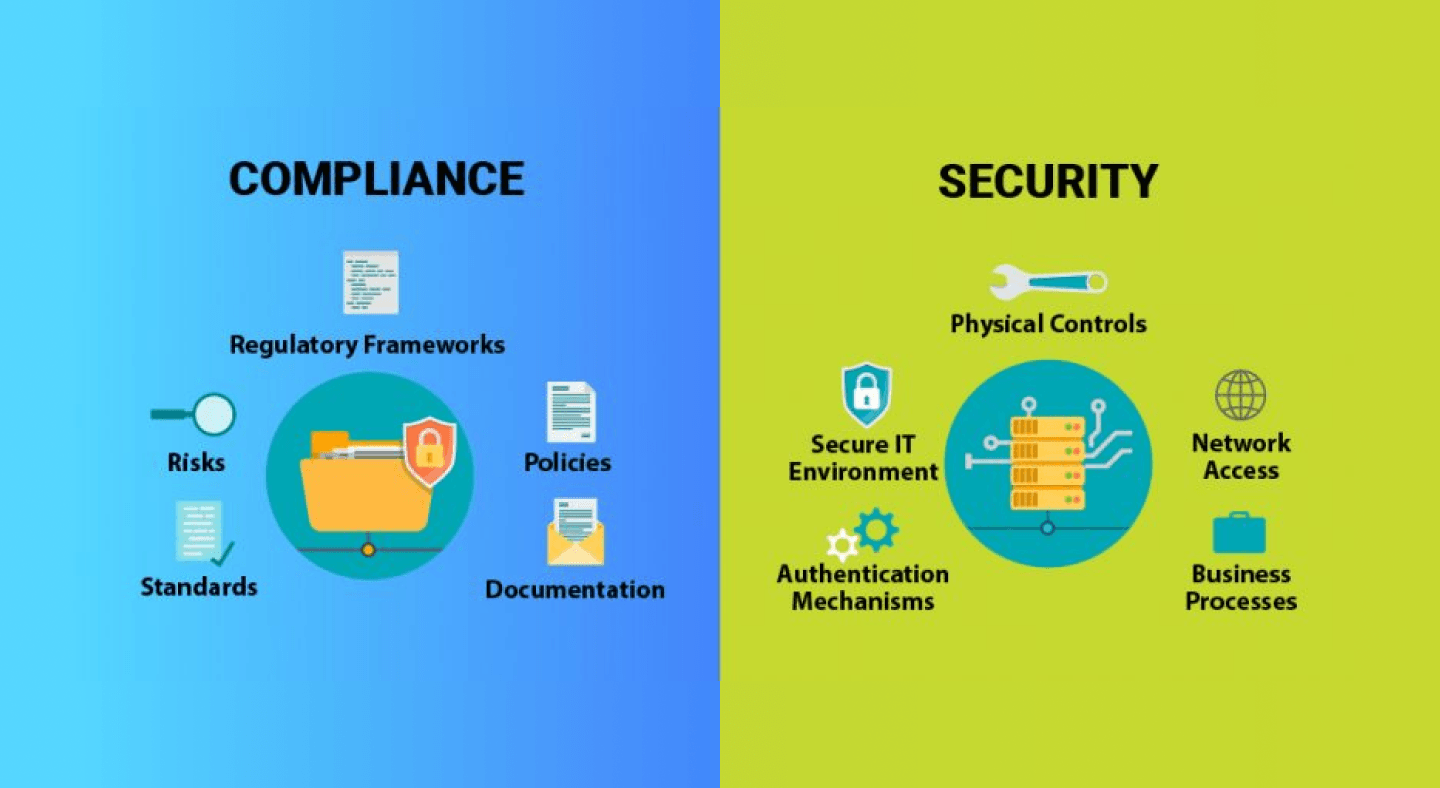
Failing to address cybersecurity and data privacy risks can lead to costly data breaches, regulatory fines, and loss of customer trust. Ensure that the target company has strong security measures in place and a culture of prioritizing data privacy.
Pro-Tip: During tech due diligence, it's essential to assess the target company's cybersecurity maturity level and benchmark it against industry standards and best practices. This helps identify gaps and prioritize remediation efforts.Intellectual Property (IP) Conflicts and Open Source Licensing Issues
Intellectual property conflicts and open source licensing issues can pose significant risks during tech due diligence. Watch out for the following red flags:
IP ownership and infringement: Verify the ownership and validity of the target company's IP assets, including patents, trademarks, and copyrights. Assess potential IP infringement risks and ongoing legal disputes.
Open source licensing: Evaluate the target company's use of open source components and compliance with open source licenses. Identify any GPL violations or restrictive licenses that may limit future commercialization options.
Third-party dependencies: Assess the target company's reliance on third-party technologies and the associated licensing terms to identify any potential conflicts or long-term risks.
Unresolved IP conflicts and open source licensing issues can lead to legal challenges, financial penalties, and restrictions on product development and distribution. Ensure that the target company has a clear IP strategy and a robust process for managing open source compliance.
Unrealistic Technology Roadmaps and Innovation Overstatements
During tech due diligence, be wary of unrealistic technology roadmaps and overstated innovation claims. Look out for the following red flags:
Overpromises and unrealistic projections: Scrutinize the target company's technology roadmap and assess the feasibility of their projections. Watch out for overpromises and unrealistic timelines.
Innovation claims: Evaluate the target company's innovation track record and validate their claims of technological breakthroughs or unique capabilities. Assess the viability and market potential of their innovation initiatives.
Alignment with market trends: Assess the target company's technology roadmap against industry trends and competitive landscape to ensure they are not investing in outdated or irrelevant technologies.
Unrealistic technology roadmaps and overstated innovation claims can lead to missed milestones, wasted resources, and failure to meet market expectations. Ensure that the target company has a realistic and achievable technology strategy aligned with industry trends and customer needs.
“Our focus is not on the competition, but on continuously improving our service, content, and user experience." - Reed Hastings, Co-Founder and CEO of NetflixSkill Gaps, Key Person Dependencies, and Talent Retention Risks
The technical team's capabilities and talent retention are critical factors in the success of a tech acquisition. Watch out for the following red flags:
Skill gaps: Assess the technical team's skills and expertise to identify any critical skill gaps that may hinder the execution of the technology roadmap. Evaluate the target company's ability to attract and retain top talent.
Key person dependencies: Identify overreliance on key individuals and assess the risks associated with their potential departure. Evaluate the target company's succession planning and knowledge transfer processes.
Talent retention risks: Assess the target company's employee turnover rates, particularly within the technical team. Evaluate the company culture, compensation structure, and career growth opportunities to identify potential talent retention risks.
Skill gaps, key person dependencies, and talent retention risks can lead to project delays, loss of critical knowledge, and difficulty in achieving technology goals. Ensure that the target company has a strong technical team, a culture of knowledge sharing, and effective talent management practices.
Pro-Tip: When evaluating the target company's technical team, assess not only their current skills but also their adaptability and learning mindset. In a rapidly evolving tech landscape, the ability to learn and upskill is crucial for long-term success.Integration Complexities, Compatibility Issues, and Vendor Lock-in
Integration challenges and compatibility issues can significantly impact the success of a tech acquisition. Watch out for the following red flags:
Integration complexity: Assess the complexity of integrating the target company's technology stack with the acquiring company's existing systems. Identify potential integration roadblocks and evaluate the effort required for seamless integration.
Compatibility issues: Evaluate the compatibility of the target company's technology stack with the acquiring company's technology ecosystem. Identify any potential conflicts or interoperability challenges that may hinder integration efforts.
Vendor lock-in: Assess the target company's reliance on specific vendors or proprietary technologies that may limit flexibility and increase long-term costs. Evaluate the ease of migrating to alternative solutions if necessary.
Integration complexities, compatibility issues, and vendor lock-in can lead to prolonged integration timelines, increased costs, and reduced agility. Ensure that the target company's technology stack aligns with the acquiring company's technology strategy and that there is a clear plan for addressing integration challenges.
Lack of Documentation, Knowledge Transfer, and Continuity Planning
Inadequate documentation, ineffective knowledge transfer, and lack of continuity planning are significant red flags in tech due diligence. Watch out for the following:
Documentation gaps: Assess the quality and completeness of the target company's technical documentation, including architecture diagrams, API specifications, and operational procedures. Identify any critical documentation gaps that may hinder knowledge transfer and maintenance.
Knowledge transfer processes: Evaluate the target company's knowledge transfer processes and assess the effectiveness of their onboarding and training programs. Identify any potential barriers to smooth knowledge transfer post-acquisition.
Continuity planning: Assess the target company's business continuity and disaster recovery plans to ensure uninterrupted operations and minimize the impact of disruptions. Evaluate the robustness of their backup and recovery procedures.
Lack of documentation, ineffective knowledge transfer, and inadequate continuity planning can lead to operational disruptions, loss of critical knowledge, and difficulty in maintaining and enhancing the acquired technology. Ensure that the target company has comprehensive documentation, effective knowledge transfer processes, and robust continuity plans in place.
"Due diligence should always include an assessment of the engineering team's documentation practices. Well-documented code and processes are essential for smooth integration and long-term maintainability." - Eric Schmidt, former CEO of GoogleConclusion
Tech due diligence is a critical process that requires a thorough evaluation of various red flags to mitigate risks and ensure the success of a technology acquisition. By watching out for scalability issues, technical debt, cybersecurity vulnerabilities, IP conflicts, unrealistic roadmaps, skill gaps, integration complexities, and lack of documentation, acquiring companies can make informed decisions and develop effective strategies for addressing potential challenges.
Remember, tech due diligence is not a one-time exercise but an ongoing process that requires continuous monitoring and assessment. By proactively identifying and addressing red flags, companies can maximize the value of their technology acquisitions and position themselves for long-term success in the ever-evolving tech landscape.
Ready to master technical due diligence for your next acquisition? Reach out to Patrick (Patrick@akava.io) to learn how our experts can guide you through the process, surface key risks and opportunities, and align technology with your investment goals. Let's work together to ensure a successful tech acquisition.