
Table of Contents
- 1. Scalability: The Foundation of Technology Success
- 2. Performance Testing and Capacity Planning
- 3. Code Quality, Technical Debt, and Maintainability
- 4. Cybersecurity and Data Privacy Compliance
- 5. Intellectual Property (IP) Assessment and Open Source Compliance
- 6. Technology Roadmap and Innovation Potential
- 7. Technical Team Evaluation and Knowledge Transfer
- 8. Integration Planning and API Design
- Conclusion
In the world of mergers and acquisitions (M&A), technical due diligence plays a crucial role in assessing the viability and potential of a technology acquisition. A comprehensive technical due diligence process helps investors and acquirers make informed decisions by evaluating the target company's technology stack, infrastructure, and processes. In this article, we'll delve into the eight critical areas that should be thoroughly examined during technical due diligence.
"The most important thing is to have a great product and a great technology base. But you also need to have the ability to scale that technology base and the organization around it."
- Marc Andreessen, Co-Founder of Andreessen Horowitz1. Scalability: The Foundation of Technology Success
Scalability is the cornerstone of any successful technology acquisition. It refers to the ability of a system or application to handle increased workload and accommodate growth without compromising performance or efficiency. When evaluating a target company's technology, it's essential to assess its scalability potential and identify any limitations that could hinder future growth.
Key factors influencing scalability include:
Architectural design: A well-designed, modular architecture allows for easier scaling and maintenance.
Infrastructure: Scalable infrastructure, such as cloud-based solutions, enables rapid provisioning of resources.
Database management: Efficient database design and optimization techniques ensure smooth performance under increased load.
To assess scalability, consider conducting load testing and performance evaluations to identify bottlenecks and potential issues. Analyze the target company's capacity planning strategies and resource optimization practices to gauge their ability to handle future growth.
Pro-Tip: When assessing scalability, it's crucial to consider not only the current workload but also the projected growth. Ensure that the architecture and infrastructure can accommodate future expansion without significant redesign or investment.
2. Performance Testing and Capacity Planning
Closely related to scalability, performance testing and capacity planning are essential components of technical due diligence. Performance testing involves evaluating the system's response times, throughput, and resource utilization under various load conditions. By simulating real-world scenarios, performance testing helps identify performance bottlenecks and optimize resource allocation.
Capacity planning, on the other hand, focuses on determining the required resources (e.g., hardware, bandwidth) to meet current and future performance demands. Effective capacity planning ensures that the system can handle expected growth and peak loads without compromising user experience.
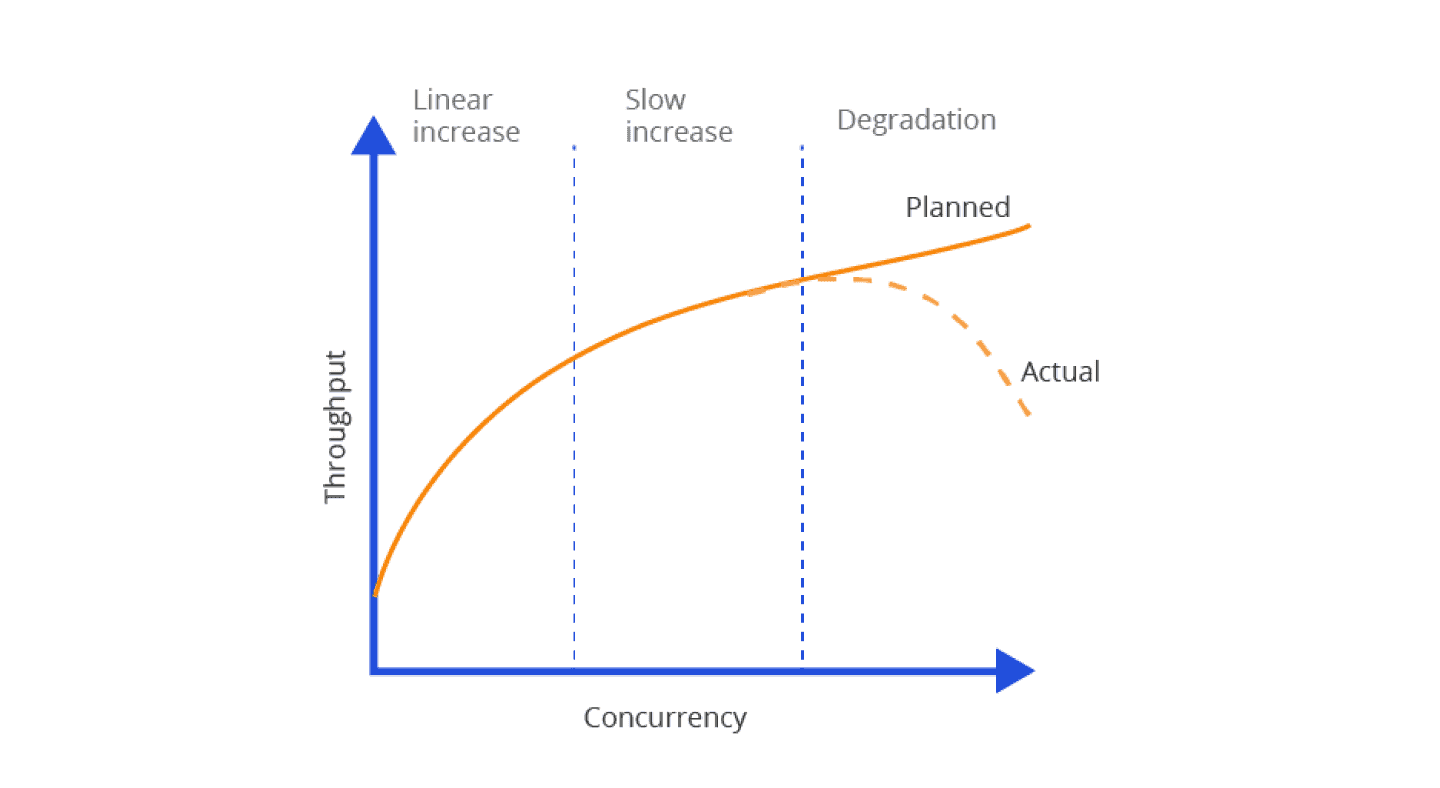
During technical due diligence, review the target company's performance testing methodologies, tools, and results. Assess their capacity planning strategies, including resource provisioning, monitoring, and alerting mechanisms. Ensure that they have well-defined performance metrics and service level agreements (SLAs) in place.
3. Code Quality, Technical Debt, and Maintainability
Code quality, technical debt, and maintainability are critical factors that impact the long-term success and scalability of a technology acquisition. Poor code quality and excessive technical debt can lead to performance issues, security vulnerabilities, and increased maintenance costs.
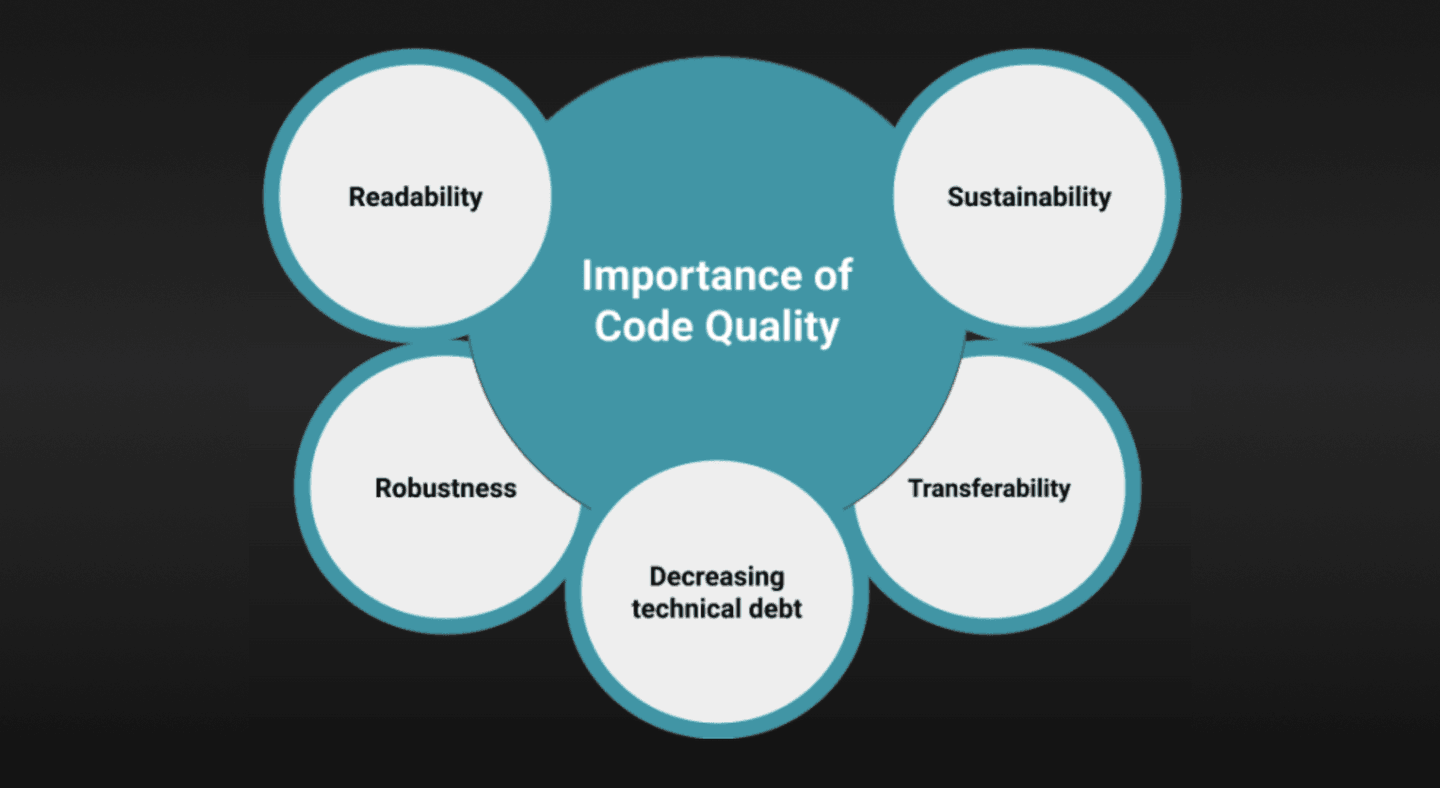
During technical due diligence, conduct a thorough code review and static code analysis to assess the quality and maintainability of the codebase. Look for indicators such as:
Code complexity and readability
Adherence to coding standards and best practices
Test coverage and automated testing practices
Documentation and code comments
Evaluate the target company's strategies for managing technical debt, including prioritization, refactoring, and ongoing maintenance efforts. Ensure that they have a clear roadmap for addressing technical debt and improving code quality over time.
"Technical debt is like a hidden tax on future development. It's essential to assess and manage technical debt early on to avoid accumulating 'interest' that hinders scalability and innovation." - McKinsey & Company4. Cybersecurity and Data Privacy Compliance
In today's digital landscape, cybersecurity and data privacy compliance are non-negotiable aspects of technical due diligence. Assessing the target company's security posture and compliance with relevant regulations is crucial to mitigate risks and protect sensitive data.
During the due diligence process, evaluate the following areas:
Security architecture and controls: Assess the effectiveness of security measures such as firewalls, encryption, and access controls.
Vulnerability management: Review the company's processes for identifying, prioritizing, and remediating security vulnerabilities.
Compliance with industry-specific regulations: Ensure compliance with relevant regulations such as GDPR, HIPAA, or PCI-DSS, depending on the industry.
Incident response and disaster recovery: Evaluate the company's incident response plan and disaster recovery strategies to minimize the impact of potential security breaches.
"Cybersecurity is the central challenge of the digital age. There's no way to punt on cybersecurity. It's not something you can say, 'I'll do it later.'"
- Satya Nadella, CEO of Microsoft5. Intellectual Property (IP) Assessment and Open Source Compliance
Intellectual property (IP) assessment is a critical component of technical due diligence, particularly in technology acquisitions. It involves evaluating the ownership, protection, and potential infringement risks associated with the target company's IP assets.
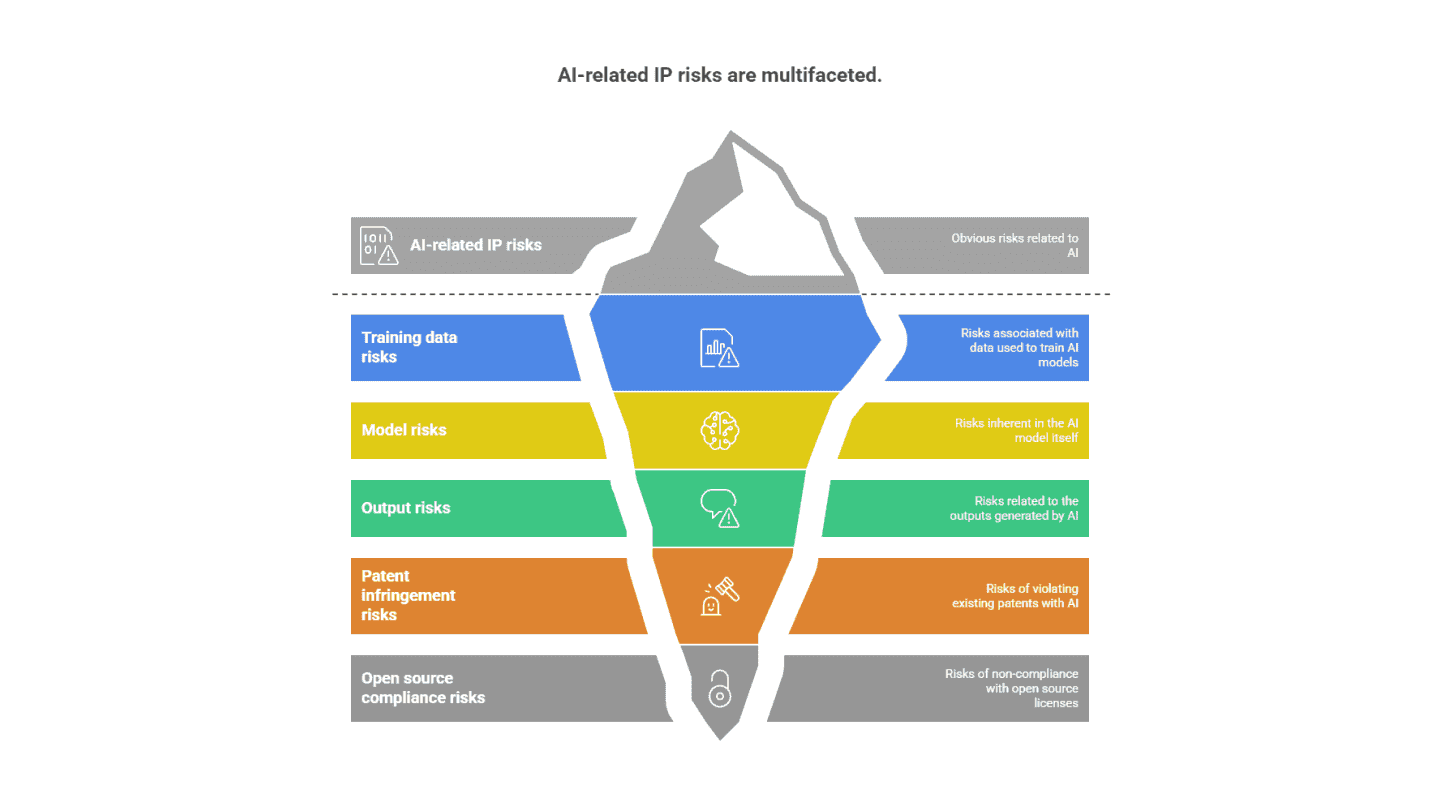
Conduct a thorough review of the company's patent portfolio, trademarks, copyrights, and trade secrets. Assess the strength and enforceability of their IP rights and identify any potential infringement risks or ongoing legal disputes.
Additionally, evaluate the company's use of open source software and compliance with open source licenses. Ensure that they have proper processes in place for tracking and managing open source components to avoid legal and security risks.
Pro-Tip: When evaluating IP assets, don't just focus on the quantity of patents or trademarks. Assess the quality and relevance of the IP portfolio to the target company's core business and future growth prospects.
6. Technology Roadmap and Innovation Potential
Assessing the target company's technology roadmap and innovation potential is crucial for understanding their long-term viability and competitive advantage. During technical due diligence, evaluate the following aspects:
Technology roadmap: Review the company's short-term and long-term technology plans, including product development, upgrades, and new feature releases.
Innovation potential: Assess the company's ability to innovate and adapt to changing market demands and technological advancements.
Competitive landscape: Analyze the company's technology stack and roadmap in comparison to industry competitors and market trends.
Evaluate the feasibility and competitiveness of the technology roadmap, considering factors such as resource allocation, development timelines, and market demand. Assess the technical team's ability to execute the roadmap and drive innovation.
"If you're going to do anything new or innovative, you have to be willing to be misunderstood for long periods of time."
- Jeff Bezos, Founder and Chairman of Amazon7. Technical Team Evaluation and Knowledge Transfer
The success of a technology acquisition largely depends on the skills, expertise, and cohesion of the technical team. During technical due diligence, evaluate the following aspects of the target company's technical team:
Skills and expertise: Assess the technical skills and domain knowledge of key team members, including developers, architects, and managers.
Team structure and dynamics: Evaluate the team's organizational structure, communication channels, and collaboration processes.
Retention and turnover: Analyze the company's employee retention rates and turnover trends, particularly within the technical team.
Additionally, consider the knowledge transfer process and documentation practices. Ensure that the company has well-documented codebases, architecture diagrams, and operational procedures to facilitate a smooth transition post-acquisition.
8. Integration Planning and API Design
Integration planning is a critical aspect of technical due diligence, particularly when the target company's technology needs to be integrated with existing systems or platforms. Assess the ease of integration and evaluate the API design and documentation.
Consider the following factors during integration planning:
API design and documentation: Evaluate the quality and comprehensiveness of the company's API documentation and assess the ease of integration with external systems.
Integration challenges: Identify potential integration challenges, such as incompatible technologies, data format differences, or performance constraints.
Integration roadmap: Review the company's integration roadmap and assess the feasibility and timeline for integrating their technology stack with existing systems.
Effective integration planning helps minimize post-acquisition challenges and ensures a smooth transition and continued operation of the acquired technology.
Pro-Tip: When planning for integration, consider adopting a modular and microservices-based architecture. This approach enables easier integration of acquired technologies and allows for independent scaling and maintenance of individual components.
Conclusion
Technical due diligence is a multifaceted process that requires a thorough evaluation of various critical areas. By assessing scalability, performance, code quality, security, IP, innovation potential, technical team, and integration aspects, investors and acquirers can make informed decisions and mitigate potential risks.
Remember, technical due diligence is not a one-time exercise but an ongoing process. Continuous evaluation and risk management are essential to ensure the long-term success and viability of a technology acquisition.
"Technical due diligence is not just about assessing the technology itself but also understanding how it aligns with the overall business strategy and market dynamics. It's a holistic evaluation that requires a multidisciplinary approach."
- Bain & CompanyBy following a comprehensive technical due diligence framework and leveraging the expertise of experienced professionals, organizations can navigate the complexities of technology acquisitions and maximize the value of their investments.
Ready to master technical due diligence for your next acquisition? Reach out to Patrick (Patrick@akava.io) to learn how our experts can guide you through the process, surface key risks and opportunities, and align technology with your investment goals. Let's work together to ensure a successful tech acquisition.