
In today's rapidly evolving digital landscape, security and compliance have become paramount considerations for any organization looking to invest in or acquire technology assets. With the increasing frequency and sophistication of cyber threats, coupled with the growing complexity of regulatory requirements, neglecting these critical aspects during the due diligence process can lead to significant financial, legal, and reputational risks.
As an investor or acquirer, it's crucial to thoroughly assess the security and compliance posture of your target company to ensure that you're making a sound investment decision. In this article, we'll dive deep into the key focus areas that should be on your radar when conducting tech due diligence, providing you with actionable insights and best practices to help you safeguard your investment.
Data Privacy and Protection
One of the most critical areas to evaluate during tech due diligence is the target company's approach to data privacy and protection. In the wake of high-profile data breaches and the introduction of stringent privacy regulations like the General Data Protection Regulation (GDPR) and the California Consumer Privacy Act (CCPA), companies that fail to prioritize data privacy can face severe consequences.
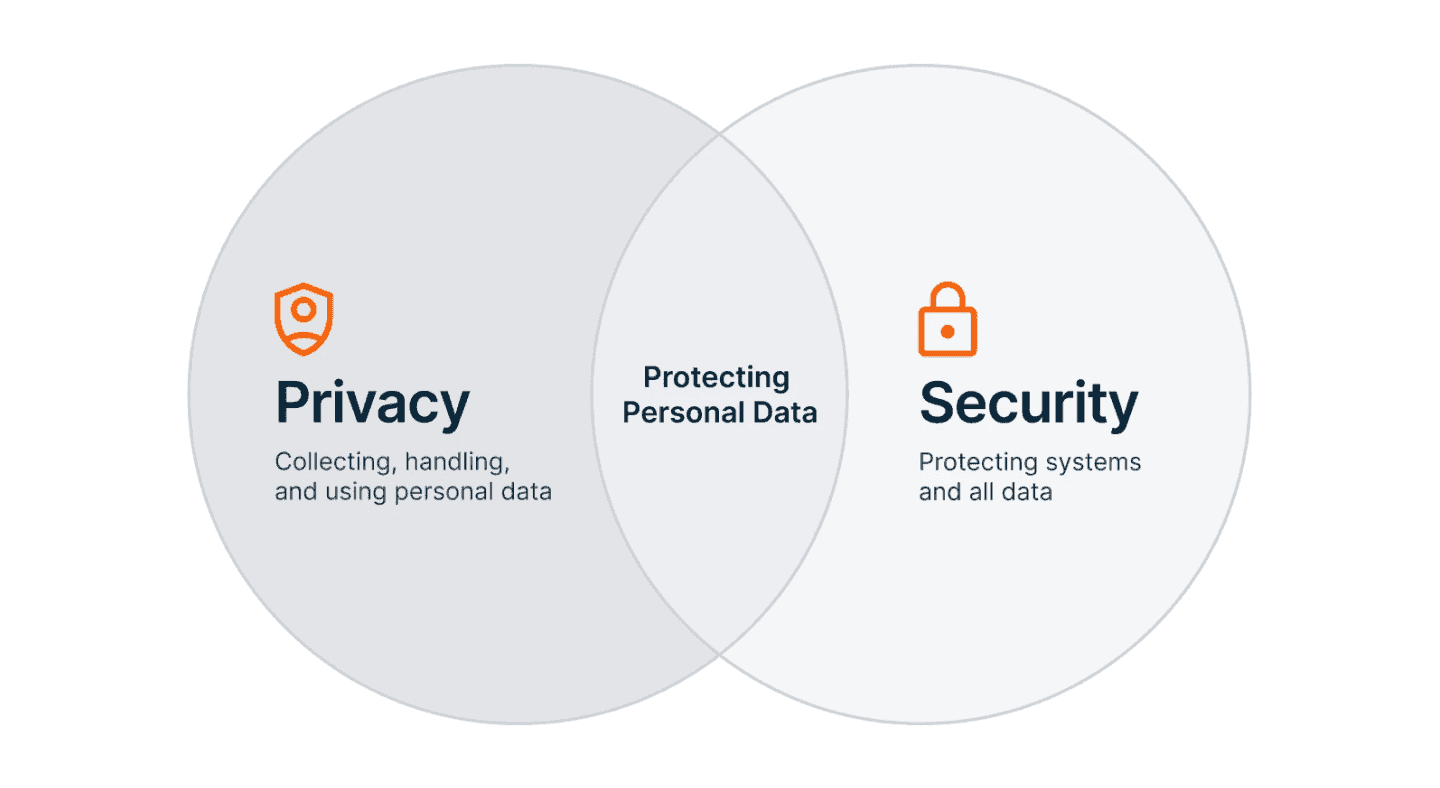
When assessing a target company's data privacy practices, start by examining their privacy policies and procedures. Are they transparent about how they collect, use, and share customer data? Do they have appropriate measures in place to secure sensitive information, such as encryption and access controls? It's also important to assess the company's compliance with relevant privacy regulations, as non-compliance can result in hefty fines and legal liabilities.
"Privacy is not just about compliance; it's about building trust with your customers. Companies that prioritize data privacy and security are better positioned to create long-term value and loyalty in an increasingly digital world." - Satya Nadella, CEO of MicrosoftCybersecurity Infrastructure
Another critical focus area in tech due diligence is the robustness and resilience of the target company's cybersecurity infrastructure. With the average cost of a data breach reaching $4.35 million in 2022, according to IBM's Cost of a Data Breach Report, investing in a company with weak cybersecurity measures can expose you to significant financial risks.
When evaluating a company's cybersecurity posture, start by assessing the presence and effectiveness of essential security controls, such as firewalls, intrusion detection systems, and multi-factor authentication. It's also crucial to examine the company's incident response and disaster recovery plans to ensure that they have the ability to quickly detect, contain, and recover from potential security incidents.
Pro-Tip: To streamline your due diligence efforts, consider using automated security tools like vulnerability scanners and compliance management software. These tools can quickly identify potential weaknesses and generate actionable insights, allowing you to assess the target company's cybersecurity posture more efficiently. However, it's important to remember that automated tools should complement, rather than replace, human expertise and judgment.Compliance with Industry Standards and Regulations
Compliance with relevant industry standards and regulations is another critical area to assess during tech due diligence. Depending on the target company's industry and geographic location, they may be subject to a range of sector-specific regulations, such as HIPAA for healthcare organizations or PCI DSS for companies that process payment card data.
When evaluating a company's compliance posture, start by examining their adherence to relevant industry standards, such as ISO 27001 for information security management or SOC 2 for service organization controls. It's also essential to assess the company's compliance monitoring and reporting processes to ensure that they have the necessary mechanisms in place to identify and address potential non-compliance issues.
"Compliance is not a burden but an opportunity to demonstrate your commitment to integrity, security, and customer trust. Companies that embrace compliance as a core value are better positioned to navigate the complex regulatory landscape and build resilience in the face of evolving threats." - Sundar Pichai, CEO of Google and AlphabetThird-Party Risk Management
In today's interconnected business ecosystem, companies often rely on a network of third-party vendors and service providers to support their operations. However, these third-party relationships can also introduce significant security and compliance risks if not properly managed.
When conducting tech due diligence, it's essential to assess the target company's approach to third-party risk management. This involves evaluating the security and compliance posture of their key vendors and service providers, examining contractual agreements and service level agreements (SLAs) related to security and compliance, and identifying potential risks stemming from these third-party relationships.
Employee Awareness and Training
While technology and processes play a crucial role in ensuring security and compliance, the human element cannot be overlooked. Employees are often the weakest link in an organization's security chain, and a lack of security awareness and training can leave companies vulnerable to a range of threats, from phishing scams to insider attacks.
When evaluating a target company's security posture, it's important to assess the effectiveness of their security awareness and training programs. This involves examining the company's efforts to educate employees on security best practices, such as strong password management and identifying potential phishing attempts, as well as assessing employee understanding and adherence to security and compliance policies.
"Your employees are your first line of defense against cyber threats. Investing in comprehensive security awareness and training programs is not just a smart business decision; it's a critical component of any effective cybersecurity strategy." - Brian Krzanich, former CEO of IntelIntellectual Property (IP) Protection
For many technology companies, their intellectual property (IP) is one of their most valuable assets. From patents and trademarks to trade secrets and proprietary algorithms, protecting IP is critical to maintaining a competitive edge and driving long-term value creation.
When conducting tech due diligence, it's crucial to assess the target company's measures to protect its intellectual property. This involves evaluating the strength and enforceability of existing patents, trademarks, and copyrights, examining the company's processes for identifying and mitigating IP infringement risks, and identifying potential IP-related vulnerabilities that could expose the company to legal and financial risks.
Pro-Tip: Plan for post-acquisition integration. Develop a roadmap for aligning security and compliance policies, processes, and infrastructure between the acquiring and target companies. Conduct a gap analysis, allocate resources, and plan for a smooth transition to a unified security and compliance posture.Conclusion
Conducting thorough security and compliance due diligence is a critical step in any technology investment or acquisition process. By proactively assessing and addressing key focus areas such as data privacy, cybersecurity infrastructure, compliance, third-party risk management, employee awareness, and IP protection, investors and acquirers can better identify and mitigate potential risks, safeguard their investments, and position their technology assets for long-term success.
Remember, security and compliance are not one-time exercises but ongoing processes that require continuous monitoring, assessment, and improvement. By prioritizing these critical aspects throughout the due diligence process and beyond, you can create a strong foundation for security and compliance that not only protects your investments but also enhances the trust and confidence of your customers, partners, and stakeholders.
So, as you embark on your next technology investment or acquisition, make sure to put security and compliance at the forefront of your due diligence efforts. By doing so, you'll be better equipped to navigate the complex and ever-evolving landscape of technology risks and opportunities, and ultimately, to safeguard your investment for long-term success.
Ready to master technical due diligence for your next acquisition? Reach out to Patrick (Patrick@akava.io) to learn how our experts can guide you through the process, surface key risks and opportunities, and align technology with your investment goals. Let's work together to ensure a successful tech acquisition.