


Table of Contents
Navigating tech due diligence as a non-technical buyer can feel intimidating, but it doesn't have to be.
As an individual buyer considering a tech company acquisition, understanding technical due diligence might feel like learning a foreign language. But don't worry, you don't need to be a tech expert to make informed decisions. This guide will help you navigate the complex world of technical assessment with confidence.
Understanding the technology stack isn't optional anymore; it's the foundation of business value. “The most expensive mistakes buyers make are underestimating technical risks or rushing through tech due diligence”, according to Marc Andreessen, Co-founder of a16z.
What is Technical Due Diligence and Why Should You Care?
Think of technical due diligence as a comprehensive health check-up for your potential investment's technology. Just as you wouldn't buy a house without an inspection, you shouldn't acquire a tech company without examining its technical foundation.
For individual buyers, technical due diligence matters for several key reasons. First and foremost, it helps identify deal-breakers before committing your capital. By uncovering hidden technical issues early, you can avoid expensive surprises down the road. Due diligence also gives you a clear picture of the true cost of ownership, considering factors like technical debt, infrastructure needs, and ongoing maintenance requirements.
Evaluating the target company's technology stack and architecture provides insights into their competitive advantages and growth potential. You can assess whether their systems are built to scale, how well they align with industry standards, and if they have a solid plan for future-proofing their technology.
Ultimately, rigorous technical due diligence verifies if the technology aligns with your investment goals and thesis. It's an essential step in validating the deal rationale and making sure you're buying what you think you're buying.
Key Areas to Evaluate
When conducting technical due diligence, there are five critical areas to assess: technology stack and architecture, development practices and team, infrastructure and hosting, security and compliance, and technical debt.
Technology Stack and Architecture
Evaluating the target's technology stack and architecture is crucial for understanding the foundation of their business. Look for modern, widely-used programming languages and frameworks that have strong community support and a robust ecosystem. Clear system organization and documentation are positive signs, indicating the codebase is maintainable and new developers can ramp up quickly.
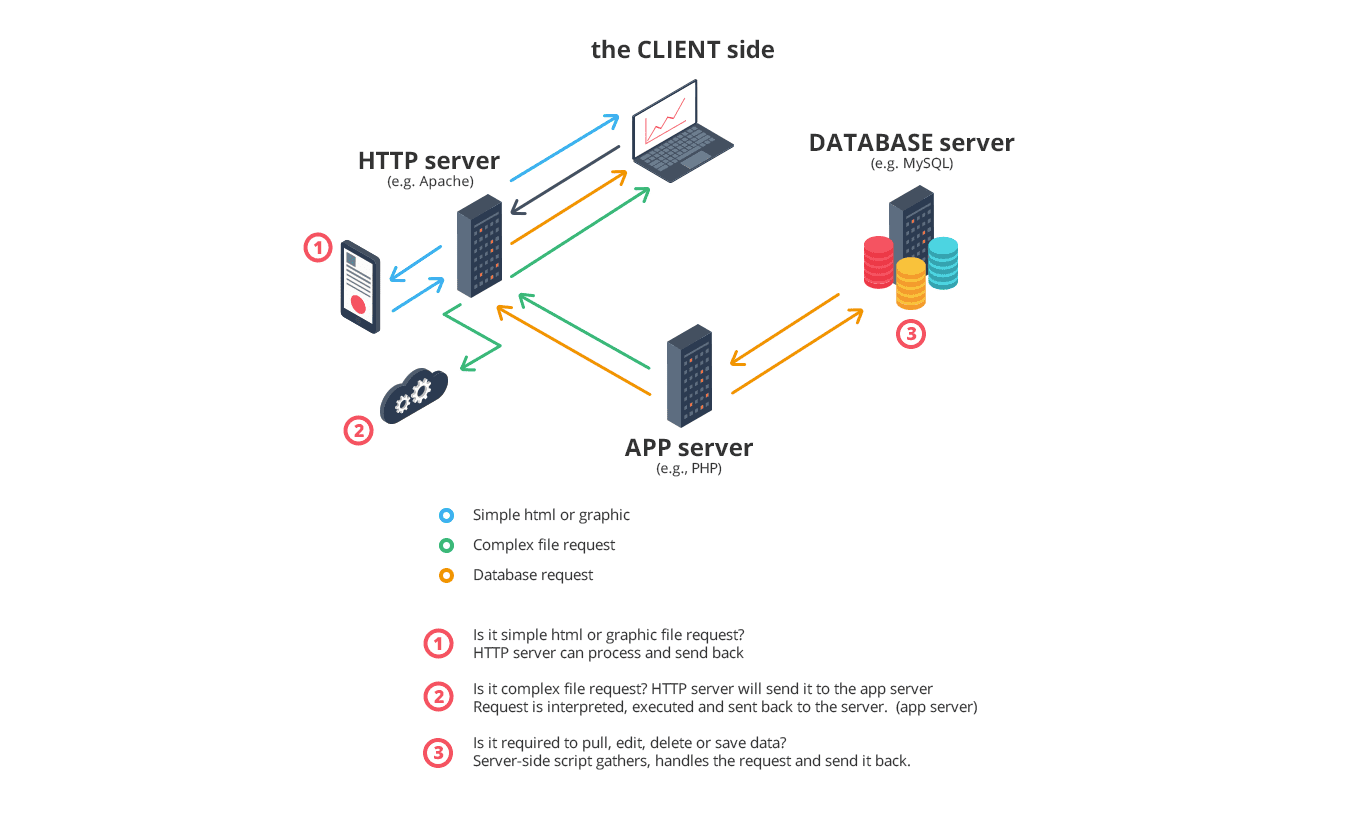
Scalability is another key consideration. Examine whether the architecture is designed to grow with the business, handling increased users, data volumes, and complexity over time. Be wary of overly complex custom solutions that will be difficult to extend and support in the long run. Industry-standard architectures and best practices are usually preferable to bespoke solutions.
As Satya Nadella, CEO of Microsoft, cautions, "I've seen too many buyers focus on surface-level features while missing fundamental architectural issues. The real value isn't in what the technology does today, but in how well it's built to evolve for tomorrow."
Red flags in this area include heavy reliance on outdated technologies, poor documentation, and lack of scalability planning. If the target's systems are built on legacy technologies nearing end-of-life, that's a sign of significant technical debt that will need to be addressed post-acquisition.
Development Practices and Team
The strength of the target's development practices and team directly impacts their ability to innovate, scale, and maintain a high-quality product. Key factors to evaluate include their software development processes, code quality and testing procedures, and the size and expertise of the development team.
Dig into their development practices and methodologies. Are they using industry-standard approaches like Agile or Scrum? How often do they ship new code? What tools do they use for version control, issue tracking, and continuous integration/continuous deployment (CI/CD)? Mature, well-documented development processes are a positive sign.
Code quality is another critical consideration. Ask about their code review practices, unit testing coverage, and bug tracking processes. High-quality codebases have consistent coding standards, automated tests, and minimal duplication. Poor code quality, on the other hand, leads to stability issues, security vulnerabilities, and mounting technical debt over time.
The development team itself is just as important as their practices. Probe into the team's size, skill sets, and experience levels. Are there any key person dependencies or single points of failure? How does knowledge transfer and onboarding work? Evaluate turnover rates and hiring practices to gauge the team's stability and ability to retain talent.
When evaluating a development team, look beyond current staffing. Request git commit histories and sprint velocity reports from the last 6 months. This reveals true development capacity and helps identify if the company relies too heavily on contractors or recent hires.
Some key questions to ask include:
How many developers maintain the core product?
What's the development team turnover rate?
How is code quality maintained?
Where is technical documentation stored?
Cloud Infrastructure and Hosting
A company's infrastructure and hosting setup has major implications for performance, reliability, scalability, and cost. It's important to understand whether they are using cloud hosting or on-premise infrastructure, and to evaluate the rationale behind those choices.
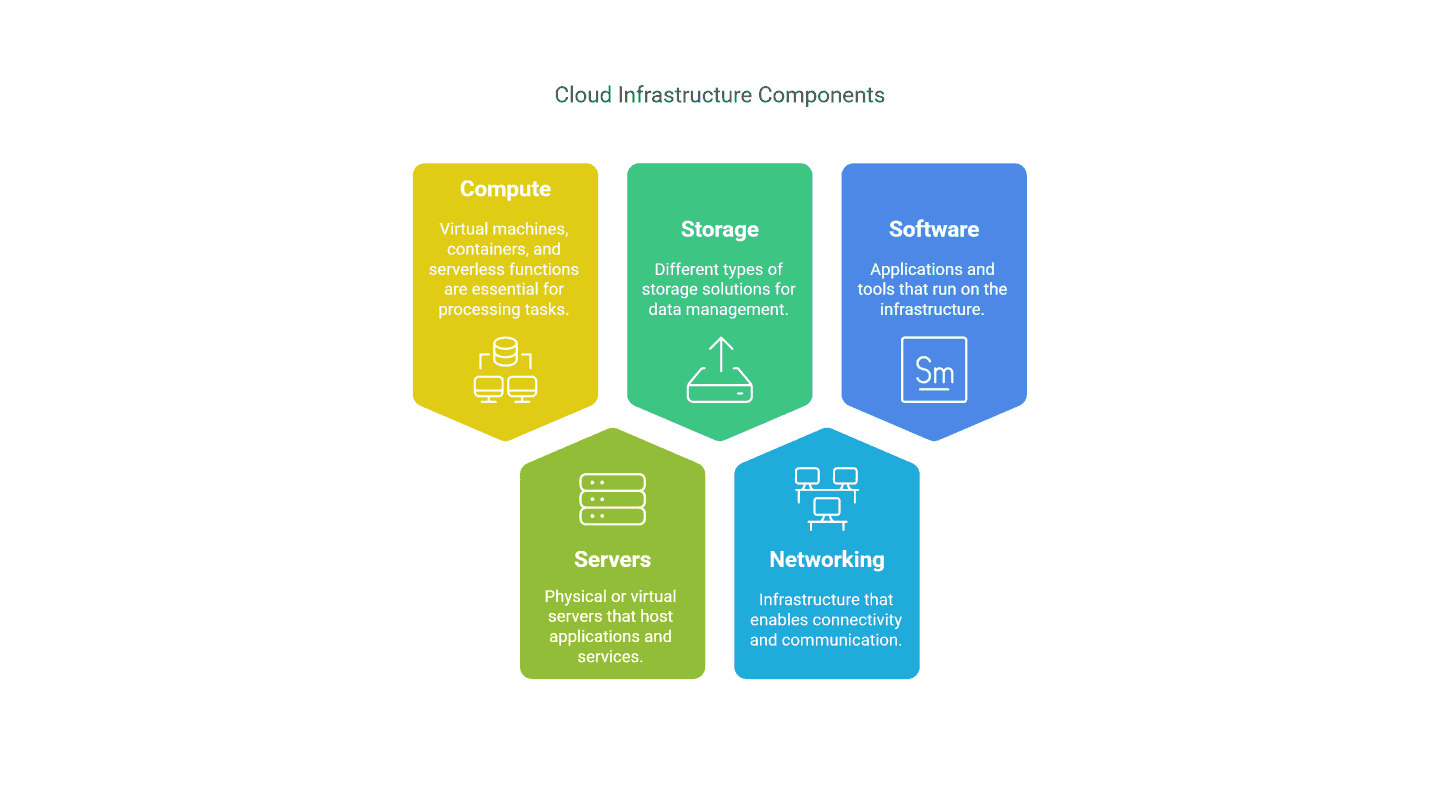
If the company is using cloud hosting, which has become the standard for modern tech companies, dig into their specific setup. Are they leveraging managed services and auto-scaling groups to efficiently handle spikes in traffic? Do they have a clear understanding of their monthly infrastructure costs and utilization? How much specialized cloud knowledge is needed to maintain their environment?
Even with cloud hosting, infrastructure can quickly become a major expense as a company scales. Make sure to examine historical hosting costs and model out future estimates based on growth projections. Insufficient infrastructure planning can quickly eat away at margins if not managed proactively.
On the other hand, if the company is still using on-premise infrastructure, that raises some additional concerns. Hosted solutions have become the norm, and on-prem infrastructure often indicates an aging tech stack. Transitioning from on-prem to the cloud can be a massive undertaking, both logistically and financially. Factor the infrastructure migration costs and effort into the deal valuation.
Regardless of the hosting approach, evaluate the company's backup and disaster recovery plans. Downtime and data loss can be extremely costly, so it's crucial to verify that there are sufficient redundancies and failover mechanisms in place. Similarly, assess their application monitoring practices to ensure performance issues are detected and resolved quickly.
Some key factors to consider include:
Monthly infrastructure costs
Ability to handle growth
Security measures
Reliability track record
Security and Compliance
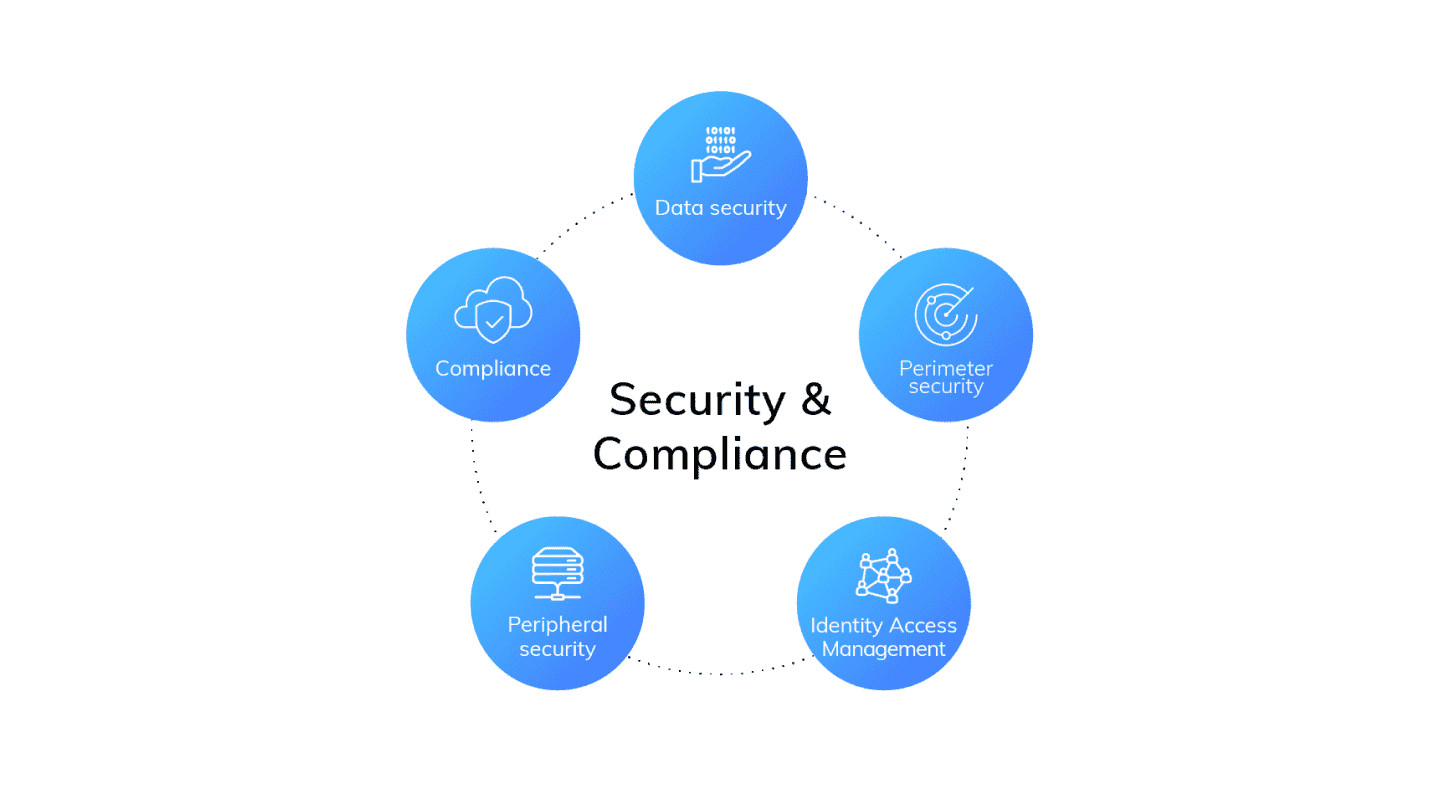
Security and compliance are non-negotiable in today's business landscape. A single data breach or compliance violation can lead to devastating financial and reputational damage. During technical due diligence, it's essential to validate the target company's security posture and compliance with relevant regulations.
Start by examining their data protection measures. How do they handle sensitive customer information? What encryption technologies are used for data at rest and in transit? Are there clear access control policies and audit trails? Carefully review their password policies, user management practices, and employee training programs.
Depending on the industry and geography, there may be specific compliance standards the company needs to adhere to, such as GDPR, HIPAA, or SOC 2. Verify that they have the necessary certifications and that their controls have been validated by third-party auditors. Compliance gaps can lead to significant legal and financial liabilities, so it's crucial to identify any issues early in the diligence process.
Incident response is another key area to probe. Even the most secure organizations can fall victim to cyberattacks. What's important is how prepared they are to respond and mitigate the impact. Ask for copies of their incident response plan and records of past security incidents. Evaluate whether they have a dedicated security team or external vendors on retainer.
Pro tip: Ask for the results of the last three security audits, not just the most recent one. This pattern shows you whether the company consistently addresses security findings or just fixes things for audits.
Some common warning signs include lack of security protocols, missing compliance certifications, poor password policies, and inadequate data protection. Don't underestimate the importance of security – it's often one of the most critical factors in the long-term success of a tech acquisition.
Technical Debt
Technical debt is a hidden cost that can significantly impact the value of an acquisition. Put simply, technical debt refers to the accumulated costs and effort required to fix shortcuts taken during the development process. Over time, these shortcuts compound, making the codebase harder to maintain and extend.
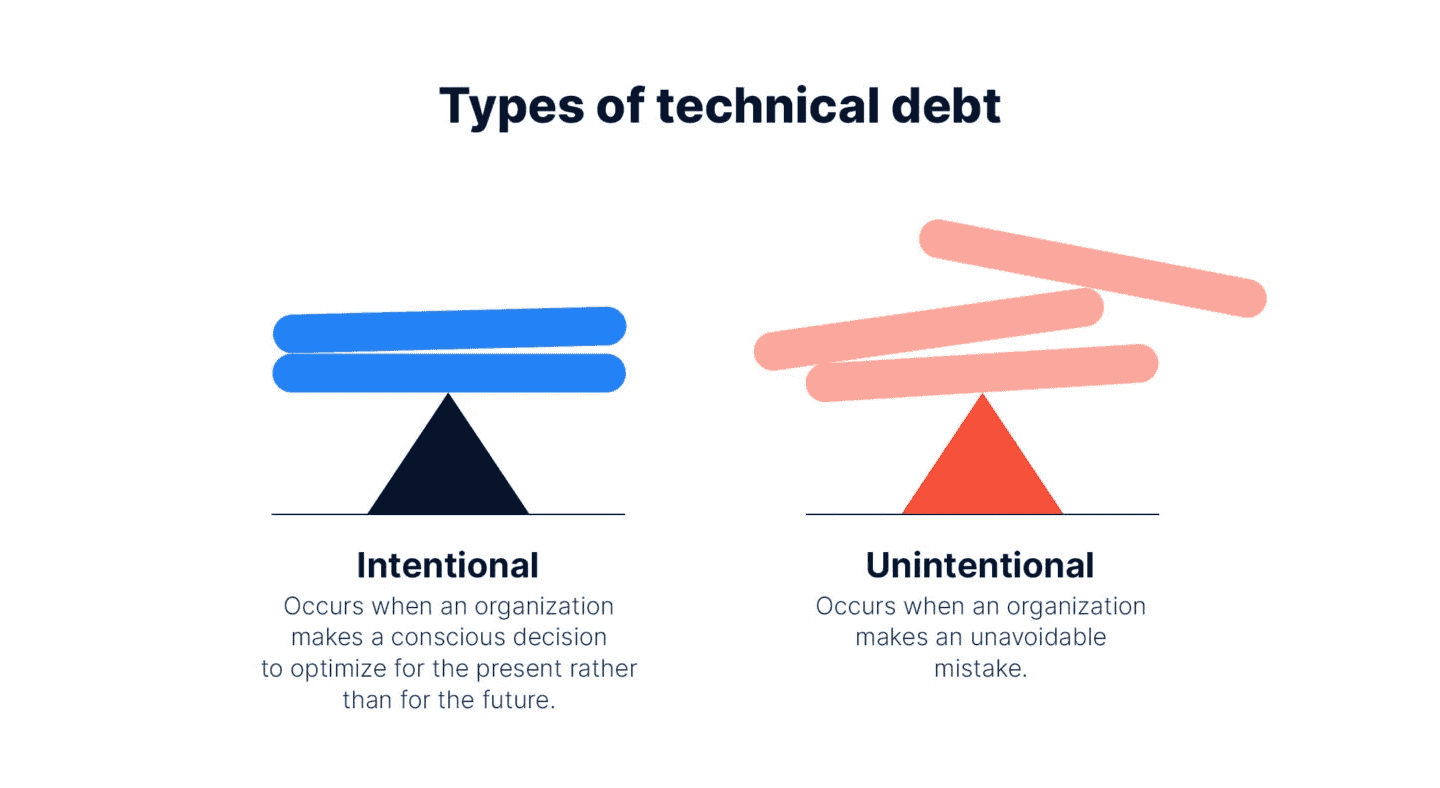
Nearly every company has some level of technical debt. The key is to understand the difference between strategic technical debt and systemic quality issues. Strategic technical debt involves conscious tradeoffs made to ship a product faster or test out a new approach. In these cases, the team is aware of the debt and has a plan to address it. Problematic technical debt, on the other hand, is a result of poor engineering practices and lack of discipline. This type of debt tend to accumulate faster and is harder to pay down.
As part of technical due diligence, it's important to assess the level and nature of technical debt. This involves evaluating the codebase for anti-patterns, lack of modularity, tight coupling, and other signs of architectural issues. Manual processes, workarounds, and extensive backlog of known bugs are also red flags.
Quantifying the impact of technical debt is notoriously difficult, but it's a crucial step in the diligence process. Technical debt can reduce the acquisition value by 20-40% post-close, according to Bain & Company's Global Tech Due Diligence Report. Factors to consider include immediate remediation costs, long-term improvement roadmap, valuation adjustments needed, and post-acquisition risk factors.
When calculating the total cost of ownership, follow the 1.5x rule: assume every quoted improvement cost will be 1.5 times higher and take 1.5 times longer than estimated. This builds in realistic buffer for unknowns.
Some key things to understand about technical debt:
Impact on acquisition value
Strategic vs. problematic debt
System modernization needs
Future maintenance costs
Common Tech Due Diligence Pitfalls and How to Avoid Them
While technical due diligence is essential, it's also a complex and time-consuming process. Several common pitfalls can derail the process or lead to missed risks.
One of the biggest mistakes is underestimating the time and resources needed for a thorough assessment. Rushing or understaffing the process increases the risk of missing critical issues. To avoid this, plan for at least 4-6 weeks for comprehensive diligence on a mid-size tech company. Engage a dedicated diligence team with both technical and business expertise. Allocate sufficient time for each stage: initial review, deep dives, issue validation, and risk mitigation planning.
Another common pitfall is failing to consider tech stack fit. Acquiring a company with a drastically different tech stack can lead to costly and lengthy integrations. Incompatible technologies can also limit synergy realization. To mitigate this risk, involve your CTO or lead architect early to evaluate tech stack compatibility. Assess the target's technology choices against your own tech roadmap, and factor replatforming or integration costs into valuation models.
Deal momentum and competition can create pressure to shortcut diligence. However, skipping steps often leads to expensive post-close surprises. It's important to secure organizational commitment to a rigorous diligence process up front. Identify must-have vs. nice-to-have diligence items to balance speed and depth. Negotiating conditional diligence-related walk rights into LOIs can also provide important protections.
Open source software is another area that is often overlooked in diligence. Targets may have incorporated open source code with unclear licensing or compliance obligations. Left unaddressed, these can lead to legal and IP issues. To identify open source risks, include open source audits in diligence checklists. Have legal counsel review all open source usage and licenses, and verify the target's open source policy and contribution history.
Making Informed Decisions
Technical due diligence produces a wealth of data, which can be overwhelming to process and prioritize. A structured risk assessment framework can help make sense of the findings and drive informed decision-making.
For each key area – technology stack, development practices, infrastructure, security, and technical debt – rate the risk level on a scale of 1-5 across four dimensions: business impact, urgency, cost to fix, and complexity. This framework helps identify the most critical issues that warrant immediate attention or further discussion.
It's also helpful to categorize findings into a priority matrix. High priority items might include security vulnerabilities, scalability limitations, critical system stability issues, and compliance gaps. These are the risks that have the potential to significantly impact the business and should be addressed as soon as possible.
Medium priority items might include moderate levels of technical debt, gaps in documentation, non-critical updates, and performance optimization opportunities. These are important issues to address, but they don't necessarily have the same level of urgency as the high priority items.
Finally, low priority findings might include nice-to-have features, minor code quality issues, cosmetic bugs, or optional technology upgrades. While these items still add value, they can be addressed over time and shouldn't hold up the deal process.
As Reid Hoffman, Co-founder of LinkedIn, notes, "The best technical due diligence isn't about finding problems – it's about understanding opportunities. A solid technical foundation can be your greatest asset for future growth."
Working with Technical Experts
As a non-technical buyer, one of the most important aspects of the diligence process is effectively leveraging technical experts. Assembling the right due diligence team is critical. At a minimum, you'll want a technical lead who can serve as your primary advisor and translator. Depending on the specifics of the deal, you may also need a security expert for risk assessment, an infrastructure specialist to evaluate scalability, and a business analyst to contextualize the technical findings.
When working with technical experts, communication is key. Make sure to ask for plain-language explanations and context. Insist on focusing the conversation on business impact, not just technical details. Ask for specific examples and estimates around costs and timelines to make the findings more concrete.
It's also important to seek out multiple perspectives rather than relying on a single point of view. Complex technical issues often have several different approaches and interpretations. Hearing from a few experts can help validate findings and surface alternative solutions.
Some key tips for working with technical experts:
Request plain-language explanations
Focus on business impact
Ask for cost and timeline estimates
Seek multiple perspectives
Cost Considerations
Of course, tech due diligence isn't just about identifying risks – it's also about understanding costs. Acquiring a tech company comes with a variety of cost considerations, both immediate and long-term.
Some of the most significant immediate costs include technical team salaries, infrastructure expenses, software licenses, and security measures. These are the costs needed to keep the lights on and the product running from day one. Make sure you have a clear picture of these baseline expenses.
Next, consider the hidden costs that may not be obvious at first glance. Technical debt remediation, system upgrades, security improvements, and ongoing maintenance requirements fall into this category. Based on the diligence findings, work with the technical experts to estimate the level of effort and cost involved in addressing these issues.
Finally, think about future investments that will be needed to support the business. Scaling the system to handle additional users, building out new features to stay competitive, expanding the team to accelerate development – these are all areas that will require financial resources over time. Work with the management team to understand their growth projections and technology roadmap to inform these estimates.
Expanding Next Steps: 30-60-90 Day Post-Acquisition Plan
Technical due diligence doesn't end when the deal closes. In fact, that's when the real work begins. Developing a 30-60-90 day plan can help ensure a smooth transition and set the stage for successful integration.
In the first 30 days, the priority should be on assessing retention risks for key technical talent. Acquisitions can be uncertain times, and you want to make sure the core team stays on board. On the day the deal closes, have a communication plan ready to go to welcome the new team and lay out the vision for the future.
At the same time, work with the technical leads to identify quick integration wins that can build momentum and demonstrate progress. These might include consolidating redundant tools, integrating communication platforms, or aligning on coding standards.
In parallel, validate the diligence findings and update the risk assessments based on any new information that comes to light. Conduct a high-level SWOT analysis of the combined company's technical capabilities to identify areas of strength to build on and gaps to address.
Key milestones for the first 30 days:
All personnel onboarded and org structures aligned
Quick integration wins implemented
Revised technical risk register
In the first 60 days, the focus shifts to developing a detailed integration roadmap. Work with the technical leads to define clear workstreams and owners for each area of integration. Evaluate redundant systems and determine the consolidation approach. Set measurable integration KPIs and interim targets to track progress.
This is also the time to begin executing on the priority integration projects identified in the diligence process. Assign resources and put project plans in place to start chipping away at the technical debt and high-impact improvements.
Finally, take this opportunity to baseline the combined company's tech budgets and headcounts. Identify areas of overlap and opportunities for cost savings. Make sure resource allocations align with the overall integration priorities.
Key milestones for the first 60 days:
Integration roadmap and KPIs finalized
System consolidation plan approved
Priority integration projects underway
As you enter the 90 day mark, it's important to assess integration progress and adjust plans as needed. Technical integrations rarely go exactly according to plan. Be prepared to course correct based on new information and insights.
Use this milestone to measure results against deal value drivers and integration KPIs. Are cost synergies being realized? Have key technical risks been mitigated? Is there demonstrable progress on system consolidation and process standardization? Celebrate successes and double down on areas that are lagging.
At this point it's also time to start looking beyond integration. Initiate planning for longer-term roadmap items like new product development, technology upgrades, and strategic initiatives. Evaluate the team's performance and capabilities post-integration to identify any remaining gaps or training needs. Look for opportunities to leverage the newly-acquired technologies to drive innovation and expand into new markets.
Key milestones for the first 90 days:
Successful completion of first integration phase
Integrated systems and teams transitioned to steady-state
Realization of initial deal synergies
Long-term technology strategic plan drafted
Some sample integration KPIs to track:
Percent of redundant systems retired
Realized cost savings vs. targets
Team utilization and productivity rates
Completion rate of integration milestones
Revenue impact of integrated product offerings
Conclusion
Navigating technical due diligence as a non-technical buyer can feel intimidating, but it doesn't have to be. The key is to focus on understanding the business implications of technical issues and work closely with experts who can guide you through the process.
By focusing on the five key areas of technology stack, development practices, infrastructure, security, and technical debt, you can surface the most important risks and opportunities. Applying a structured risk assessment framework and prioritization matrix can help you make sense of the findings and zero in on the issues that matter most.
Avoiding common pitfalls like underestimating the time needed for diligence, failing to consider tech stack fit, and succumbing to deal pressure will put you on the path to success. And by front-loading integration planning with a 30-60-90 day roadmap, you can accelerate time-to-value after the deal closes.
Remember, technical due diligence isn't about finding a perfect technology setup. In reality, every company has technical debt and areas for improvement. The goal is to understand the current state well enough to make an informed investment decision and develop a realistic plan to realize the value post-acquisition.
In the words of Marc Andreessen, "software is eating the world." In today's technology-driven business environment, mastering technical due diligence isn't optional – it's essential. By learning to ask the right questions, interpret the answers, and align technology with your investment goals, you'll be well on your way to a successful tech acquisition.
Ready to master technical due diligence for your next acquisition? Reach out to Patrick (Patrick@akava.io) to learn how our experts can guide you through the process, surface key risks and opportunities, and align technology with your investment goals. Let's work together to ensure a successful tech acquisition.