
Table of Contents
- Understanding the Company's Current Tech Stack
- Assessing the Development Team and Processes
- Examining the Infrastructure and Operations
- Evaluating the Product Roadmap and Future Plans
- Analyzing Third-Party Dependencies and Integrations
- Conducting a Cybersecurity Assessment
- Calculating the Total Cost of Ownership
- Conclusion
When acquiring a company, it's crucial to thoroughly evaluate its technology stack as part of the due diligence process. A company's tech stack encompasses all the technologies, platforms, and tools used to build, run, and maintain its products and services. By assessing the strength and viability of a target company's tech stack, acquirers can identify potential risks, opportunities, and costs associated with the acquisition. This article provides a comprehensive checklist for evaluating a company's tech stack during the due diligence phase.
Understanding the Company's Current Tech Stack
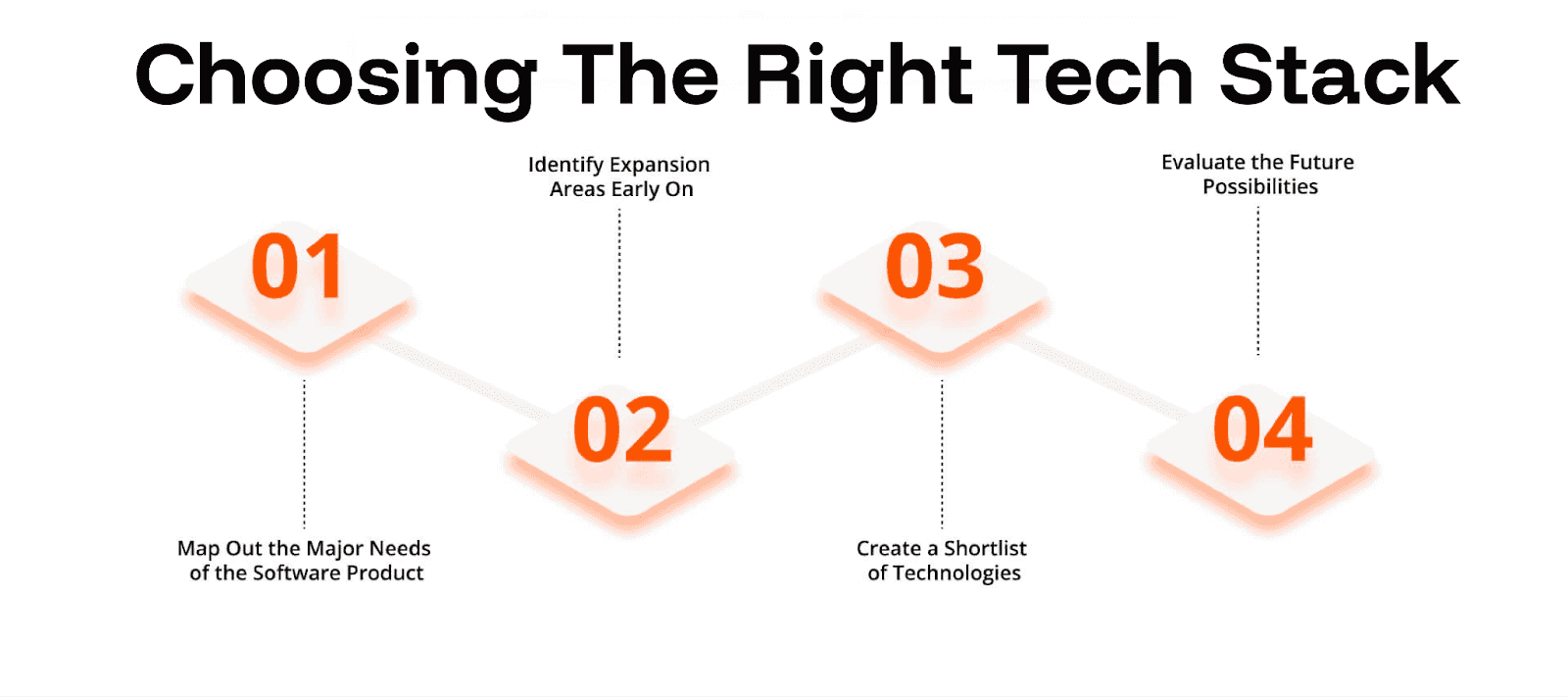
The first step in evaluating a company's tech stack is to gain a deep understanding of its current technologies and architecture. This involves:
Identifying core technologies and platforms
Begin by cataloging all the major technologies, programming languages, frameworks, and platforms used by the company. This may include web development frameworks (e.g., React, Angular), backend technologies (e.g., Node.js, Ruby on Rails), databases (e.g., MySQL, MongoDB), and cloud platforms (e.g., AWS, Google Cloud). Understanding the key components of the tech stack will provide a foundation for further analysis.
Assessing the scalability and flexibility of the architecture
Evaluate how well the company's technology architecture can handle growth and adapt to changing business needs. A scalable and flexible architecture should be able to accommodate increasing user traffic, data volume, and new features without significant performance issues or high costs. Look for signs of a modular, loosely coupled architecture that allows for easy modification and expansion.
Pro-tip: Create a comprehensive inventory of all the technologies used by the target company, including versions, licenses, and dependencies. This will help you identify potential compatibility issues or security risks early in the processEvaluating the age and maturity of the technologies used
Consider the age and maturity of the technologies in the company's stack. Are they using cutting-edge, widely-adopted technologies, or are they relying on older, less supported ones? While newer technologies can offer benefits like improved performance and features, they may also come with risks like limited talent pools and potential instability. On the other hand, older technologies may be more stable but could face obsolescence risks and make it harder to attract top talent.
Determining the level of technical debt
Assess the amount of technical debt present in the company's codebase. Technical debt refers to the costs and challenges that arise from using suboptimal or outdated coding practices, such as hard-coding, lack of documentation, or using deprecated libraries. High levels of technical debt can slow down development, increase maintenance costs, and make it harder to add new features or fix bugs. Reviewing code samples, commit histories, and issue trackers can provide insights into the level of technical debt.
Assessing the Development Team and Processes

The success of a company's tech stack relies heavily on the strength of its development team and processes. When evaluating these aspects, consider:
Evaluating the skill level and experience of the development team
Assess the technical skills and experience of the company's developers. Do they have expertise in the core technologies used? Have they worked on similar projects or at scale? A highly skilled and experienced team can navigate complex challenges, make informed technology decisions, and drive innovation. Review team member resumes, conduct interviews, and consider administering technical assessments to gauge skill levels.
Reviewing the development methodology and project management practices
Evaluate the company's development methodology (e.g., Agile, Waterfall) and project management practices. A well-defined and efficiently executed development process can lead to faster time-to-market, higher quality code, and better collaboration. Look for evidence of regular sprints, clear project roadmaps, and effective communication channels between developers, product managers, and stakeholders.
"In our experience advising on tech M&A deals, we've found that acquirers who prioritize the assessment of the target company's development team and processes are better positioned for successful integration and long-term value creation." - Jamie Dimon, Chairman and CEO, JPMorgan ChaseAssessing the quality of code documentation and knowledge sharing
Examine the quality and comprehensiveness of the company's code documentation and knowledge sharing practices. Well-documented code and centralized knowledge repositories (e.g., wikis, READMEs) make it easier for new team members to onboard, reduce dependencies on individual contributors, and ensure smoother maintenance and troubleshooting. Poor documentation can lead to inefficiencies, knowledge silos, and increased risk of errors.
Examining the team's ability to innovate and adapt to new technologies
Evaluate the development team's track record of innovation and their ability to adapt to new technologies. In today's fast-paced tech landscape, teams need to stay current with emerging trends, tools, and best practices. Look for examples of the team successfully implementing new technologies, participating in tech communities, and proactively seeking out learning opportunities.
Examining the Infrastructure and Operations
A company's tech infrastructure and operations play a critical role in ensuring the stability, performance, and security of its products and services. When assessing these aspects, focus on:
Assessing the hosting environment and infrastructure setup
Evaluate the company's hosting environment and infrastructure setup. Are they using cloud platforms like Azure, AWS or Google Cloud, or do they rely on on-premise servers? Cloud-based infrastructure can offer benefits like scalability, flexibility, and cost-effectiveness, but it's important to assess how well the company has designed and configured its cloud setup. Review the architecture diagrams, resource allocation, and performance metrics to identify potential bottlenecks or over-provisioning.
Evaluating the reliability, performance, and security of the systems
Assess the reliability, performance, and security of the company's systems. Reliable systems should have minimal downtime, quick recovery times, and well-defined monitoring and alerting processes. Review uptime metrics, incident reports, and service level agreements (SLAs) to gauge reliability. Performance-wise, the systems should be able to handle expected traffic loads with acceptable response times. Use load testing tools and analyze performance metrics to identify potential issues.
From a security standpoint, evaluate the company's security measures, including network security, access controls, encryption, and compliance with relevant standards (e.g., SOC 2, ISO 27001). Conduct vulnerability scans and penetration tests to uncover potential weaknesses.
Reviewing the disaster recovery and business continuity plans
Examine the company's disaster recovery (DR) and business continuity plans. A robust DR plan should outline the steps to quickly restore critical systems and data in the event of a major disruption, such as a natural disaster or cyber-attack. Business continuity plans should ensure that key business processes can continue operating during and after a disruption. Review the documented plans, test results, and recovery time objectives (RTOs) to assess their effectiveness.
Pro-tip: Conduct thorough performance testing and capacity planning exercises to ensure the target company's infrastructure can handle expected growth and peak loads. This will help you avoid costly surprises down the roadAnalyzing the capacity for growth and scalability
Evaluate the company's infrastructure and operations' capacity for growth and scalability. As the company expands and user demands increase, its systems should be able to handle the additional load without significant performance degradation or cost increases. Look for signs of a scalable architecture, such as the use of load balancers, auto-scaling groups, and containerization technologies like Docker or Kubernetes. Assess how well the infrastructure can handle sudden spikes in traffic or data volume.
Evaluating the Product Roadmap and Future Plans
A company's product roadmap and future technology plans can provide valuable insights into its growth potential and alignment with your business objectives. When assessing these aspects, consider:
Reviewing the product roadmap and alignment with business goals
Examine the company's product roadmap and evaluate how well it aligns with its overall business goals and your own objectives. A well-defined roadmap should outline the planned features, enhancements, and innovations for the coming months or years. It should be based on a deep understanding of user needs, market trends, and competitive landscapes. Look for evidence of regular roadmap reviews, prioritization based on business value, and a balance between short-term improvements and long-term strategic initiatives.
Assessing the feasibility and potential impact of planned enhancements
Evaluate the technical feasibility and potential business impact of the planned product enhancements. The company should have a realistic understanding of the technical effort required to implement each feature and the necessary resources (e.g., developer time, budget). Assess whether the enhancements are likely to provide significant value to users, differentiate the product from competitors, or open up new market opportunities. Be cautious of overly ambitious plans that may strain the team or lead to delays.
Identifying any major technology shifts or re-platforming initiatives
Look for any major technology shifts or re-platforming initiatives in the company's plans. Re-platforming refers to the process of migrating a product or service from one technology stack to another, often to improve performance, scalability, or maintainability. While re-platforming can offer long-term benefits, it can also come with significant costs, risks, and disruptions in the short term. Assess the rationale behind any planned re-platforming, the expected timeline and budget, and the team's experience with similar initiatives.
"A company's product roadmap is a reflection of its vision and ability to execute. When considering an acquisition, it's essential to assess the target company's product strategy, customer focus, and alignment with your own long-term objectives." - Sundar Pichai, CEO, GoogleEvaluating the company's ability to execute on the roadmap
Evaluate the company's ability to execute on its product roadmap based on its past track record and current resources. Look for evidence of the team consistently delivering on planned features and meeting deadlines. Assess whether the team has the necessary skills, tools, and processes in place to handle the planned initiatives. Consider factors like team size, experience levels, and any recent turnover that may impact execution capabilities.
Analyzing Third-Party Dependencies and Integrations
Most modern tech stacks rely on various third-party services, APIs, and integrations to provide key functionality and enhance the user experience. When evaluating a company's third-party dependencies, focus on:
Identifying critical third-party services and APIs
Catalog all the critical third-party services and APIs used by the company's products and services. These may include payment gateways, authentication providers, data enrichment services, or marketing automation tools. Understanding which external dependencies the tech stack relies on will help you assess potential risks and costs associated with them.
Assessing the stability and long-term viability of third-party relationships
Evaluate the stability and long-term viability of the company's relationships with its key third-party providers. Look for signs of strong, mutually beneficial partnerships with established, reputable providers. Review the service level agreements (SLAs), support contracts, and any recent service disruptions or outages. Assess the financial health and roadmaps of the third-party providers to gauge their ability to continue providing reliable services in the long run.
Pro-tip: Conduct a thorough risk assessment of the target company's third-party dependencies, including evaluating the financial health and security posture of their key vendors. This will help you identify potential points of failure or exposure that could impact the company's operations.Evaluating the ease of integration and potential for vendor lock-in
Assess how easily the company's tech stack can integrate with other systems and services, both internally and externally. A well-designed, API-driven architecture can facilitate smoother integrations and reduce the risk of vendor lock-in. Look for the use of standard protocols (e.g., REST, GraphQL) and the availability of comprehensive documentation and developer resources. Be cautious of custom, proprietary integrations that may make it difficult to switch providers or build new integrations in the future.
Reviewing compliance with legal and regulatory requirements
Ensure that the company's use of third-party services and integrations complies with all relevant legal and regulatory requirements, such as data privacy laws (e.g., GDPR, CCPA), industry-specific regulations (e.g., HIPAA for healthcare), and security standards (e.g., PCI DSS for payment processing). Review the company's contracts, data processing agreements (DPAs), and compliance documentation. Assess the third-party providers' compliance posture and any recent regulatory violations or legal issues.
Conducting a Cybersecurity Assessment
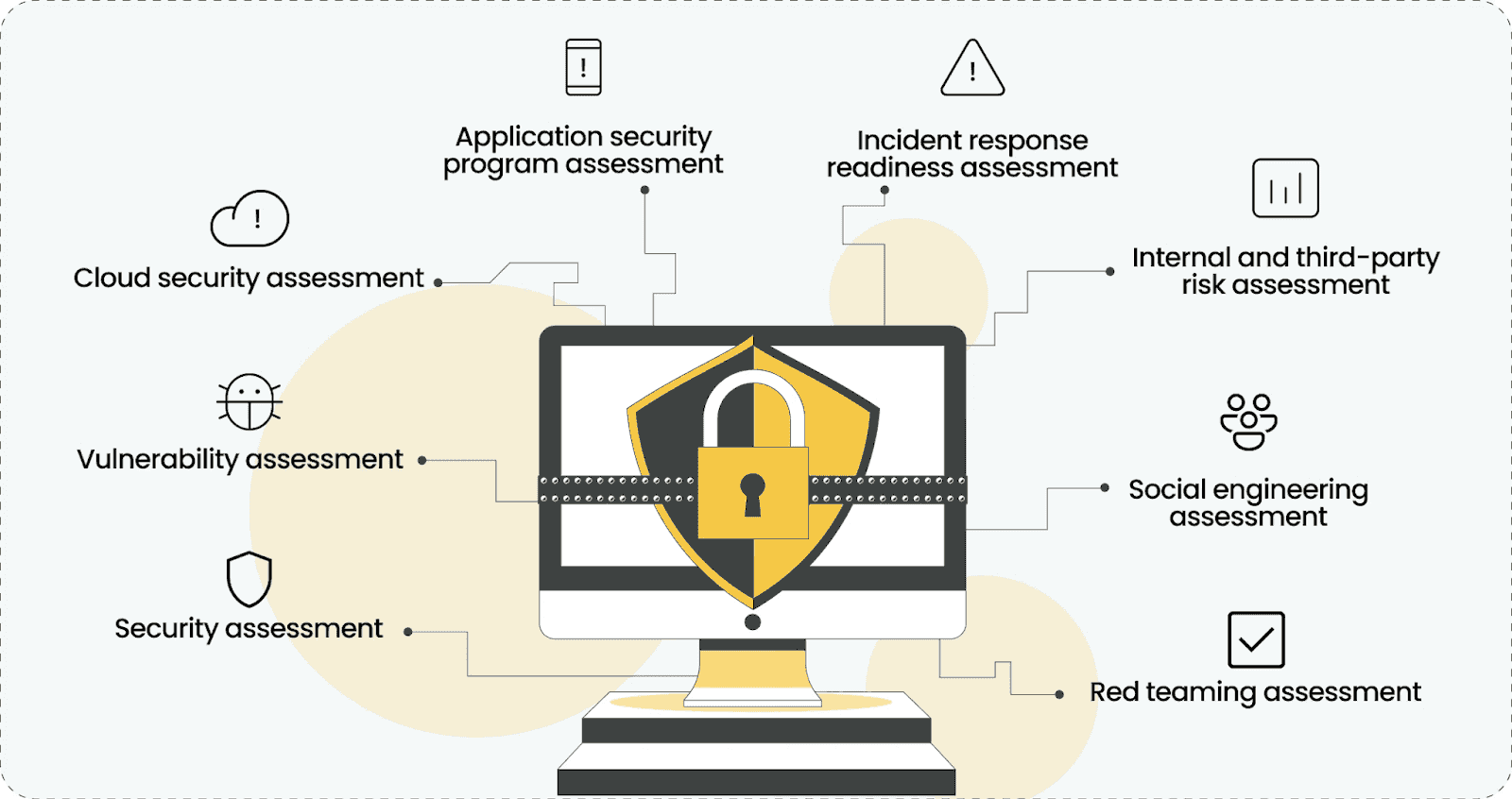
In today's digital landscape, cybersecurity is a critical aspect of any tech due diligence process. A comprehensive cybersecurity assessment can help uncover potential vulnerabilities, risks, and liabilities associated with the target company's tech stack. When conducting a cybersecurity assessment, focus on:
Evaluating the company's security posture and potential vulnerabilities
Assess the overall security posture of the company's tech stack, including its networks, applications, and data storage systems. Conduct vulnerability scans and penetration tests to identify potential weaknesses, such as unpatched software, misconfigurations, or insecure coding practices. Review the company's threat modeling and risk assessment processes to understand how it identifies and prioritizes security risks.
Reviewing incident response plans and security monitoring practices
Evaluate the company's incident response plans and procedures for handling security breaches or data incidents. A well-defined plan should outline the roles and responsibilities of team members, the communication protocols, and the steps to contain, investigate, and recover from an incident. Assess the company's security monitoring and alerting practices, including the use of security information and event management (SIEM) tools, intrusion detection systems (IDS), and security operations centers (SOCs).
"Cybersecurity is a critical consideration in any tech acquisition. It's essential to assess the target company's security posture, incident response capabilities, and compliance with relevant regulations to mitigate potential risks and liabilities." - Arvind Krishna, CEO, IBMAssessing compliance with relevant security standards and regulations
Review the company's compliance with relevant security standards and regulations, such as ISO 27001, NIST Cybersecurity Framework, or industry-specific requirements like HIPAA or PCI DSS. Assess the company's processes for conducting regular security audits, maintaining compliance documentation, and addressing any identified gaps or non-conformities. Consider the potential impact of any recent or ongoing security compliance violations.
Identifying any past security breaches or incidents
Investigate any past security breaches or data incidents experienced by the company. Assess how the company responded to and recovered from these incidents, including the effectiveness of its incident response plans, the timeliness of its notifications to affected parties, and the steps taken to prevent similar incidents in the future. Consider the potential reputational, legal, and financial impact of any past incidents on the company and its stakeholders.
Calculating the Total Cost of Ownership
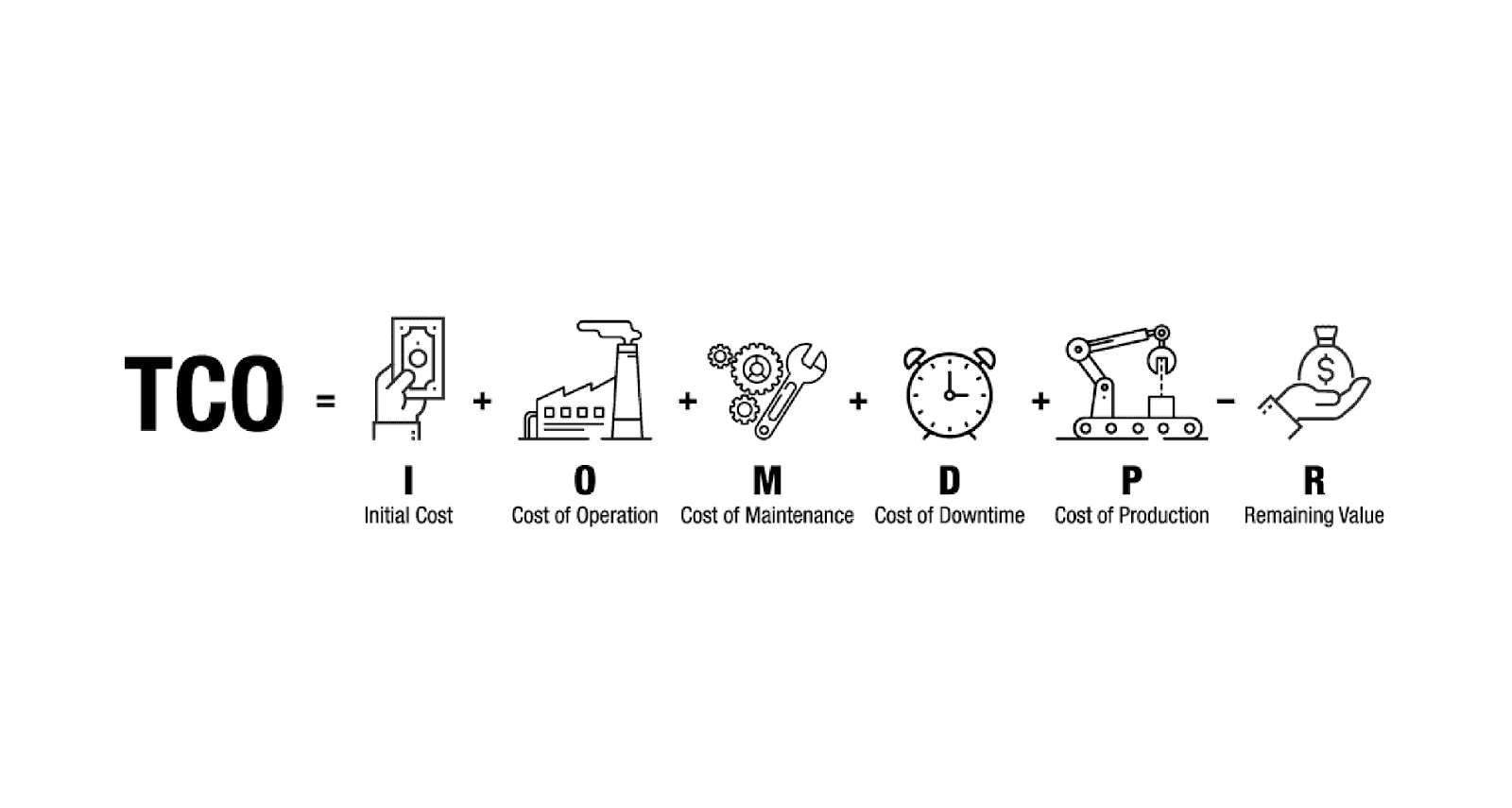
Evaluating a company's tech stack involves not only assessing its current state but also understanding the total cost of ownership (TCO) associated with maintaining and evolving it over time. When calculating the TCO, consider:
Estimating the ongoing maintenance and support costs
Estimate the ongoing costs associated with maintaining and supporting the company's tech stack, including expenses related to infrastructure, licenses, subscriptions, and personnel. Consider factors such as the size and complexity of the stack, the required skill sets, and the availability of internal resources versus the need for external support. Review historical budgets and forecasts to get a sense of the typical maintenance and support costs.
Factoring in potential upgrade, migration, or re-platforming expenses
Assess the potential costs associated with any planned or necessary upgrades, migrations, or re-platforming initiatives. These may include expenses related to new hardware or software licenses, cloud migration services, data transfer fees, and training costs for the team. Evaluate the estimated timeline and resource requirements for these initiatives and factor them into the overall TCO calculation.
Pro-Tip: Consider not just the direct costs of maintaining and upgrading the target company's tech stack, but also the indirect costs, such as lost productivity due to downtime or the opportunity cost of not investing in new technologies.Considering the costs of retaining or replacing key technical talent
Factor in the costs associated with retaining or replacing key technical talent, such as developers, architects, or cybersecurity specialists. Assess the current market rates for these roles, the company's historical turnover rates, and any retention challenges it has faced. Consider the potential costs of recruiting, onboarding, and training new talent if necessary. Evaluate the company's talent development and succession planning strategies to mitigate the risk of knowledge loss.
Evaluating the ROI of any necessary technology investments
Evaluate the potential return on investment (ROI) of any necessary technology investments, such as new tools, platforms, or partnerships. Assess how these investments align with the company's overall business strategy and growth objectives. Consider factors such as the expected revenue growth, cost savings, or efficiency gains associated with each investment. Use financial modeling and scenario analysis to determine the net present value (NPV) and payback period of each investment.
Conclusion
A thorough evaluation of a company's tech stack is an essential component of the due diligence process for any acquirer. By following the comprehensive checklist outlined in this article, you can gain a deep understanding of the target company's technology assets, risks, and opportunities. This knowledge will help you make informed decisions about the acquisition and develop effective strategies for integrating and optimizing the tech stack post-acquisition.
Remember that tech due diligence is not a one-time exercise but an ongoing process that should continue throughout the acquisition lifecycle. As the tech landscape evolves and new challenges arise, it's essential to regularly reassess and adapt your tech stack strategy to ensure it remains aligned with your business goals and delivers maximum value to your stakeholders.
By approaching tech due diligence with a holistic, strategic mindset and leveraging the expertise of experienced technology advisors, you can unlock the full potential of your acquisitions and position your company for long-term success in the digital age.
Ready to master technical due diligence for your next acquisition? Reach out to Patrick (Patrick@akava.io) to learn how our experts can guide you through the process, surface key risks and opportunities, and align technology with your investment goals. Let's work together to ensure a successful tech acquisition.